Position: At anchor in Tahanea, Tuamoto Archipelago
May 31, 2008
The day started by our pulling up the anchor to assure the chain was not twisted around coral heads. This was important because the weather gurus forecasted a southeastern blow, and having a fouled anchor in such conditions is a truly bad idea. The other cruisers in this anchorage -- four Swedish boats and one from Australia -- explained to us how they had anchored, a trick using floats attached every 30' on their anchor chain, thereby allowing the anchor itself to bite but keeping the chain off the floor and off the coral.
Sal and Elena had found three washed up fishing floats on the beach yesterday, which were promptly put into service on Pax. This morning Sal got in the dinghy with her snorkel gear on, Elena stood at Pax's bow ready with the windlass, and Brad steered as directed by the crew. The anchor reset process was accomplished with all hands involved: Sal leaning over the dinghy with her head in the water, directing Brad to steer left, right, and straight ahead until the chain straightens and the anchor lifts. Elena stood ready to raise and redrop the anchor onto a designated sandy spot.
All proceeds well until.... SHARK!!! A warning shout from the captain and Elena, and Sal promptly pulls herself back into the dinghy as a curious reef shark swims underneath. This might have been a more worrisome problem, but for yesterday's introduction to the local fauna. Sal and Elena were scrubbing the grudge off Pax's waterline, and working back toward the skeg rudder when Sal decided it was time to get into the water and scrub from closer range. Brad was keeping a sharp eye out when he calmly said "There are three sharks heading this way like a military convoy." Rumor has it that Sal launched herself out of the water and fully into the dinghy in a nano-second, leaving the reef sharks wondering what happened. The subsequent photos taken of the beasts with Elena's underwater camera are impressive.
This afternoon while Brad worked on navigation planning and solar panel challenges, Sal and Elena headed toward a secluded blue lagoon with Elena's camera. Along the way they spotted hundreds of hermit crabs that love to eat coconuts left open on the beach by the kindly Australians. They rowed the dinghy over coral heads in water so clear that they could photograph the iridescent blue fish from above. Up the atoll a ways, Sal and Elena found a completely secluded and sheltered blue lagoon, surrounded by coconut palms. The bottom of this particular lagoon was covered with crushed white coral sand, allowing even the most timid swimmer to see if anything was coming. The two of them found this personal swimming hole to be perfectly peaceful and unencumbered by unwelcome albeit curious marine life.
Pax Vobiscum
-------------------------------------------------
Friday, April 24, 2009
Saturday, May 31, 2008

Thursday, May 29, 2008
Enfin Tuamotu
May 29, 2008 2100 UTC, 1100 Local
Position: 16 degrees 51 min. S, 144 degrees 42 min. W
Nous arrivons. We anchored in the Tuamotu atoll of Tahanea at about 9:45 local time this morning. Last night we made excellent time in a 10 to 12 knot northeasterly breeze. There was some tension as we weaved our way through a line of atolls in the pitch dark. Our GPS lead the way, but passing through and close to low, unlit islands that we could not see nevertheless got our full attention. We arrived off Tahanea at 7 AM and hove to for several hours waiting for the right tide and sun conditions to enter the pass into the atoll. The passes in the Tuamotus must be traversed on the correct tide. The current emptying into or out of the atoll can create seas that are dangerous for small vessels such as Pax when the current is running strong, especially if it is running against a sea. Once in the atoll, we can only safely travel in the daylight and with the sun at our backs because all these atolls contain uncharted coral heads that can only be seen if they are visible below the surface. Glare from a sun ahead in the direction of travel effectively blinds us to this danger.
Ironically, after a slow passage the wind is now whipping up at anchor. Our friends Jan and Joan are reconsidering their plan to leave the Marquesas tomorrow because of possible high seas on the route -- quite different from what we experienced in our week-long passage. Meanwhile, we are now in a sheltered spot, in the wind but out of the seas. Two hundred yards ahead is a deserted sandy motu covered by palm trees. The water, 30 feet deep under our keel, is a deep blue so clear that the sand and coral on the bottom are plainly visible. There should be great swimming and snorkeling once the wind calms down.
We as yet have not made plans on how long we will stay here. Our next stop will be the larger island of Fakarava, whose closest pass is about 45 miles away. For now we will enjoy a quiet day of relaxation.
Pax Vobiscum
Position: 16 degrees 51 min. S, 144 degrees 42 min. W
Nous arrivons. We anchored in the Tuamotu atoll of Tahanea at about 9:45 local time this morning. Last night we made excellent time in a 10 to 12 knot northeasterly breeze. There was some tension as we weaved our way through a line of atolls in the pitch dark. Our GPS lead the way, but passing through and close to low, unlit islands that we could not see nevertheless got our full attention. We arrived off Tahanea at 7 AM and hove to for several hours waiting for the right tide and sun conditions to enter the pass into the atoll. The passes in the Tuamotus must be traversed on the correct tide. The current emptying into or out of the atoll can create seas that are dangerous for small vessels such as Pax when the current is running strong, especially if it is running against a sea. Once in the atoll, we can only safely travel in the daylight and with the sun at our backs because all these atolls contain uncharted coral heads that can only be seen if they are visible below the surface. Glare from a sun ahead in the direction of travel effectively blinds us to this danger.
Ironically, after a slow passage the wind is now whipping up at anchor. Our friends Jan and Joan are reconsidering their plan to leave the Marquesas tomorrow because of possible high seas on the route -- quite different from what we experienced in our week-long passage. Meanwhile, we are now in a sheltered spot, in the wind but out of the seas. Two hundred yards ahead is a deserted sandy motu covered by palm trees. The water, 30 feet deep under our keel, is a deep blue so clear that the sand and coral on the bottom are plainly visible. There should be great swimming and snorkeling once the wind calms down.
We as yet have not made plans on how long we will stay here. Our next stop will be the larger island of Fakarava, whose closest pass is about 45 miles away. For now we will enjoy a quiet day of relaxation.
Pax Vobiscum
Wednesday, May 28, 2008
Dipping South
May 28, 2008 1900 UTC, 9:00 a.m. local time
Position: 15 degrees 47 min. S, 143 degrees 52 min. W
We are within one day of landfall at the Tuamoto Archipelago or the Iles Tuamotu as our French charts state. Although our passage has been slower than expected, the time on the ocean away from sight of land has been splendid, with easy seas and deep friendships developing. We have seen only one other passing ship in a week, a freighter west bound, and the azure blue sky and deep blue water have surrounded us in very kindly ways during the thirteen hours of daylight.
Last night our watches were especially entertaining, as if the night sky was putting on a grand spectacle just for the three of us. Astronomers classify twenty named stars bright enough to qualify as "1st Magnitude," and eighteen of the twenty, plus Jupiter, Saturn, and Mars were visible during the night. The last waning quarter of the moon did not rise until midnight, giving us much time to see constellations rarely visible.
As we sail further south, the Big Dipper is getting lower and lower in the sky. Last night the scupper part of the dipper was seemingly scooping water below the horizon, and only the last three stars of the handle were visible to us. The midnight temperature was 79 degrees, and the soft salty air had a sweet expectant scent. We sailed on a port tack with a southeasterly heading of 195 degrees magnetic, and the Southern Cross was lighting up the sky just to the left of our mast. Crosby Stills and Nash sang about the Southern Cross, Richard Henry Dana wrote about it in his book Two Years Before the Mast, and now we too have sailed south by its coordinates.
Surrounding the Southern Cross and notably stretching north to south is the Milky Way. Without city lights or the moon to dim it, the Milky Way over the ocean provides a ribbon of light to guide our way. Surprisingly bright here, the Milky Way illuminates the night sky from one horizon to the other, and we could clearly see our way across the very pacific ocean in all directions. Sal has often found her dark night watches to be a bit scary when the seas are high and the wind is blowing hard, but those fears have dimmed this past week in the South Pacific.
Pax Vobiscum
May 28, 2008
Position: 15 degrees 47 min. S, 143 degrees 52 min. W
We are within one day of landfall at the Tuamoto Archipelago or the Iles Tuamotu as our French charts state. Although our passage has been slower than expected, the time on the ocean away from sight of land has been splendid, with easy seas and deep friendships developing. We have seen only one other passing ship in a week, a freighter west bound, and the azure blue sky and deep blue water have surrounded us in very kindly ways during the thirteen hours of daylight.
Last night our watches were especially entertaining, as if the night sky was putting on a grand spectacle just for the three of us. Astronomers classify twenty named stars bright enough to qualify as "1st Magnitude," and eighteen of the twenty, plus Jupiter, Saturn, and Mars were visible during the night. The last waning quarter of the moon did not rise until midnight, giving us much time to see constellations rarely visible.
As we sail further south, the Big Dipper is getting lower and lower in the sky. Last night the scupper part of the dipper was seemingly scooping water below the horizon, and only the last three stars of the handle were visible to us. The midnight temperature was 79 degrees, and the soft salty air had a sweet expectant scent. We sailed on a port tack with a southeasterly heading of 195 degrees magnetic, and the Southern Cross was lighting up the sky just to the left of our mast. Crosby Stills and Nash sang about the Southern Cross, Richard Henry Dana wrote about it in his book Two Years Before the Mast, and now we too have sailed south by its coordinates.
Surrounding the Southern Cross and notably stretching north to south is the Milky Way. Without city lights or the moon to dim it, the Milky Way over the ocean provides a ribbon of light to guide our way. Surprisingly bright here, the Milky Way illuminates the night sky from one horizon to the other, and we could clearly see our way across the very pacific ocean in all directions. Sal has often found her dark night watches to be a bit scary when the seas are high and the wind is blowing hard, but those fears have dimmed this past week in the South Pacific.
Pax Vobiscum
May 28, 2008
Tuesday, May 27, 2008
Thinking, Remembering
May 27, 2008 2200 UCT, 1200 LCL
Position: degrees min. S, degrees min. W
Dawn found us motoring once more. With the wind gone and sails slatting, Sal started the engine at 4:30 AM. Pax had been drifting south in a two knot northeasterly, swinging her boom and banging her blocks every minute or two as a new series of small waves started her rolling. Elena had come off watch at 4 AM tired and frazzled. Trying to keep the boat moving and quiet in these conditions is an exercise in frustration.
Now Sal and Elena are asleep below and it is the Captain's watch. Small ripples cover the sea in all directions, heralding the arrival of a modest breeze that will allow sailing later in the morning. Shearwaters a mile or two to starboard hover over and feed on a school of small fish. No boats or land can be seen, no conversation is possible. The sun rises off the port quarter bathing the cockpit in an orange glow and streaming down through the companionway to light up the dark teak of the nav station and the hard black plastic of the main DC circuit board. Just above the panel and below an old barometer the warm morning light reflects off a shiny brass plate inscribed "James Holmes Bagshaw, In Loving Memory."
A 14-foot plywood runabout turns a bend in the Annisquam River as herring gulls swarm over the sandy clam flats in search of their evening meal. The warm glow of the late afternoon sun lights up the 40 horsepower Johnson two-cycle as a young father shows his 10 year-old son how to recognize the sandbars while the boy steers down river towards the dock in Smith's Cove near their Gloucester Harbor home. Then the engine sputters and dies, and the navigation lesson becomes a lesson in switching fuel tanks and restarting the engine without panic as the small boat drifts down the channel into the path of a tired old side trawler heading for market with a full load of cod and haddock.
At sea we are at such close quarters, yet at times we are so alone. These times allow the mind to wander down a river now far away, to be again with a father once so young, but now gone forever. A father sorely missed, and lovingly remembered.
Pax Vobiscum
Position: degrees min. S, degrees min. W
Dawn found us motoring once more. With the wind gone and sails slatting, Sal started the engine at 4:30 AM. Pax had been drifting south in a two knot northeasterly, swinging her boom and banging her blocks every minute or two as a new series of small waves started her rolling. Elena had come off watch at 4 AM tired and frazzled. Trying to keep the boat moving and quiet in these conditions is an exercise in frustration.
Now Sal and Elena are asleep below and it is the Captain's watch. Small ripples cover the sea in all directions, heralding the arrival of a modest breeze that will allow sailing later in the morning. Shearwaters a mile or two to starboard hover over and feed on a school of small fish. No boats or land can be seen, no conversation is possible. The sun rises off the port quarter bathing the cockpit in an orange glow and streaming down through the companionway to light up the dark teak of the nav station and the hard black plastic of the main DC circuit board. Just above the panel and below an old barometer the warm morning light reflects off a shiny brass plate inscribed "James Holmes Bagshaw, In Loving Memory."
A 14-foot plywood runabout turns a bend in the Annisquam River as herring gulls swarm over the sandy clam flats in search of their evening meal. The warm glow of the late afternoon sun lights up the 40 horsepower Johnson two-cycle as a young father shows his 10 year-old son how to recognize the sandbars while the boy steers down river towards the dock in Smith's Cove near their Gloucester Harbor home. Then the engine sputters and dies, and the navigation lesson becomes a lesson in switching fuel tanks and restarting the engine without panic as the small boat drifts down the channel into the path of a tired old side trawler heading for market with a full load of cod and haddock.
At sea we are at such close quarters, yet at times we are so alone. These times allow the mind to wander down a river now far away, to be again with a father once so young, but now gone forever. A father sorely missed, and lovingly remembered.
Pax Vobiscum
Monday, May 26, 2008
Cow Pie of the Sea
May 26, 2008
Position: 13 degrees 53 min. S, 142 degrees 32 min. W
Last night the wind piped up to 10 knots giving us a nice ride for about 12 hours. Unfortunately, it has settled down again and left behind a lumpy sea. Our destination is directly downwind, but heading off in that direction results in slow going and an unpleasant roll, with the sails pulling the boom to windward, to leeward, and back again, over and over. The lines, the blocks, and everything not tied down bang back and forth. Down below the hull magnifies all, and it sounds as if Pax is trying to shake herself apart; this is the least favorite point of sail for all cruisers. So, an hour ago we put our poor bruised vessel onto a quieter and faster reach, sacrificing progress for peace. This is proving to be a slow passage.
Last night right before sunset Sal's and Elena's fishing efforts bore fruit in the form of a 23" long 10 pounder identified by fishing master Sal as a bonito. He was quite an attractive fellow, looking like a small tuna, bright silver all over with iridescent side stripes, as if dressed in a tuna tux and all ready for Neptune's prom. Sal hooked the stylish fellow by rod and reel, and Elena hauled him aboard with her bare hands - no gaff needed by this hearty fishing crew. As soon as the rod began to flex, the Captain hustled to his fishing station down below, far away from the impending blood and gore, and began to read. Thankfully, his Bowditch is dense enough to distract him through a year's worth of fishing.
Sal dispatched her catch with a few hearty blows of the winch handle and immediately filleted the bonito right there in the cockpit. Elena busied herself cleaning up the considerable mess. It took her many, many buckets of salt water and the whole process took long enough for the Captain to get through two dense chapters of Bowditch before he dared show his head above deck.
The barbecue was then lit, and within an hour of the mayhem ending we were all settling down to a fresh fish dinner. Unfortunately, it tasted awful and we wound up feeding most of it to the sharks. Our friend and fishing guru Ken Ewing had warned us that bonito were not good eating (in his folksy Arkansas way he told us cow pies were tastier). We should have listened.
Tonight the Captain is hoping for clam linguini, secure in the knowledge that the clams are already in the can. He noted however that after studying the cruiser's fishing guide to make sure no mistakes in fish preparation had been made, fishing lines were quietly run out again today during his afternoon nap. Pax's fishing master and her formidable assistant do not easily give up.
Pax Vobiscum
Position: 13 degrees 53 min. S, 142 degrees 32 min. W
Last night the wind piped up to 10 knots giving us a nice ride for about 12 hours. Unfortunately, it has settled down again and left behind a lumpy sea. Our destination is directly downwind, but heading off in that direction results in slow going and an unpleasant roll, with the sails pulling the boom to windward, to leeward, and back again, over and over. The lines, the blocks, and everything not tied down bang back and forth. Down below the hull magnifies all, and it sounds as if Pax is trying to shake herself apart; this is the least favorite point of sail for all cruisers. So, an hour ago we put our poor bruised vessel onto a quieter and faster reach, sacrificing progress for peace. This is proving to be a slow passage.
Last night right before sunset Sal's and Elena's fishing efforts bore fruit in the form of a 23" long 10 pounder identified by fishing master Sal as a bonito. He was quite an attractive fellow, looking like a small tuna, bright silver all over with iridescent side stripes, as if dressed in a tuna tux and all ready for Neptune's prom. Sal hooked the stylish fellow by rod and reel, and Elena hauled him aboard with her bare hands - no gaff needed by this hearty fishing crew. As soon as the rod began to flex, the Captain hustled to his fishing station down below, far away from the impending blood and gore, and began to read. Thankfully, his Bowditch is dense enough to distract him through a year's worth of fishing.
Sal dispatched her catch with a few hearty blows of the winch handle and immediately filleted the bonito right there in the cockpit. Elena busied herself cleaning up the considerable mess. It took her many, many buckets of salt water and the whole process took long enough for the Captain to get through two dense chapters of Bowditch before he dared show his head above deck.
The barbecue was then lit, and within an hour of the mayhem ending we were all settling down to a fresh fish dinner. Unfortunately, it tasted awful and we wound up feeding most of it to the sharks. Our friend and fishing guru Ken Ewing had warned us that bonito were not good eating (in his folksy Arkansas way he told us cow pies were tastier). We should have listened.
Tonight the Captain is hoping for clam linguini, secure in the knowledge that the clams are already in the can. He noted however that after studying the cruiser's fishing guide to make sure no mistakes in fish preparation had been made, fishing lines were quietly run out again today during his afternoon nap. Pax's fishing master and her formidable assistant do not easily give up.
Pax Vobiscum
Sunday, May 25, 2008
Driftin'
May 25, 2008 0200 UCT, 1600 LCL (May 24)
Position: 11 degrees 48 min. S, 141 degrees 53 min. W
The flying fish launched at dawn across water as still as the most secluded pond. His first six feet were marked by dimples in the water left by the beat of his small winged fins. For 15 seconds he turned and banked silently within inches of the surface before plunging back in, to be constrained once again by the thickness of the water.
We have no wind. It died, completely died, about 11:30 last night towards the end of Sally's watch. There was no fair warning. We had eaten the Captain's favorite dinner of linguini with marinara sauce and mushrooms in the darkening dusk. Our now old friends Alpha Centauri, Beta Centaurus and the Southern Cross materialized with the setting sun, and as we were enjoying our dessert of fresh baked brownies a nearly full moon, swelled by the refraction from a hot earth, rose out of the sea. We talked with vigor and respect of prayer, spirituality and the scientific method. We each stated our case and, we each patiently listened as the others stated theirs. And, in the end, we each remained convinced of the opinions we had held at the outset. So it goes, in the South Pacific, and everywhere else. The off-watch turned in and all was right with the world; then, the wind died.
From midnight we motored. Motoring is good for charging the batteries, making fresh water, and stabilizing the boat when there is no wind holding the hull down against the water. Of course, motoring also moves the boat towards its destination, but at a price. Noise and vibration destroy the stillness, they build a barrier that walls off the natural world as effectively as the cabin of an air-conditioned car speeding down the highway. And motoring uses diesel fuel, a precious liquid that must be hauled in the dinghy two five-gallon jugs at a time - if a source for it can be found at all. So at 8 AM we turned the motor off and started drifting. First in no wind, now generally to the south pushed by the barest breath, but at least pushed, at least for now.
It is quiet. Sometimes when the wind dies everything not tied down bangs from side to side in a nasty roll left over by the forgotten breeze. Not today. The swell is gentle and we rise and fall so lazily to it that the boom rarely moves. Today we we have silent sunshine, no cooling breezes, but time for quiet talk in the shade and for books that had been put off to another day, a day that has now arrived. Tomorrow the computer forecast promises that a small wind will blow fair for the Tuamotus.
We will wait for it.
Pax Vobiscum
Position: 11 degrees 48 min. S, 141 degrees 53 min. W
The flying fish launched at dawn across water as still as the most secluded pond. His first six feet were marked by dimples in the water left by the beat of his small winged fins. For 15 seconds he turned and banked silently within inches of the surface before plunging back in, to be constrained once again by the thickness of the water.
We have no wind. It died, completely died, about 11:30 last night towards the end of Sally's watch. There was no fair warning. We had eaten the Captain's favorite dinner of linguini with marinara sauce and mushrooms in the darkening dusk. Our now old friends Alpha Centauri, Beta Centaurus and the Southern Cross materialized with the setting sun, and as we were enjoying our dessert of fresh baked brownies a nearly full moon, swelled by the refraction from a hot earth, rose out of the sea. We talked with vigor and respect of prayer, spirituality and the scientific method. We each stated our case and, we each patiently listened as the others stated theirs. And, in the end, we each remained convinced of the opinions we had held at the outset. So it goes, in the South Pacific, and everywhere else. The off-watch turned in and all was right with the world; then, the wind died.
From midnight we motored. Motoring is good for charging the batteries, making fresh water, and stabilizing the boat when there is no wind holding the hull down against the water. Of course, motoring also moves the boat towards its destination, but at a price. Noise and vibration destroy the stillness, they build a barrier that walls off the natural world as effectively as the cabin of an air-conditioned car speeding down the highway. And motoring uses diesel fuel, a precious liquid that must be hauled in the dinghy two five-gallon jugs at a time - if a source for it can be found at all. So at 8 AM we turned the motor off and started drifting. First in no wind, now generally to the south pushed by the barest breath, but at least pushed, at least for now.
It is quiet. Sometimes when the wind dies everything not tied down bangs from side to side in a nasty roll left over by the forgotten breeze. Not today. The swell is gentle and we rise and fall so lazily to it that the boom rarely moves. Today we we have silent sunshine, no cooling breezes, but time for quiet talk in the shade and for books that had been put off to another day, a day that has now arrived. Tomorrow the computer forecast promises that a small wind will blow fair for the Tuamotus.
We will wait for it.
Pax Vobiscum
Friday, May 23, 2008
Shark Bait
May 23, 2008. 2030 UCT, 1030 LCL
Position: 10 degrees 38 min. S, 140 degrees 55 min. W
We tired of waiting for the wind and set sail yesterday afternoon for the Tuamotu Islands. We have now been sailing for 21 hours in light but serviceable winds from the east, allowing us to beam reach at about four knots. We are pleased to be moving without needing to resort to the engine and hope this continues despite a forecast for very light air. We plan to stop first at Tahaena Atoll which is about 500 miles to the south southwest, a stop recommended to us several weeks ago by our new friend Pierre from the sloop Ke'a. Pierre and his crewmember Claude by now should be a third of the way to Vancouver. We hear that a clear blue coral atoll, white sand beaches and coconut palms await our arrival in Taheana. Thanks to Sandy Brown and our new crew member Elena Leonard, we can make our own cold drinks. No ice though, Chris.
Last night Sally put out the fishing line and around sunset she hooked a big one. After patiently reeling in and out for half an hour, something even larger swallowed the first catch. For 10 minutes Sal struggled and struggled, out went line and more line and the reel became quite hot, but there was no landing this one. Finally the 300 pound-test leader broke where it held the hook, leaving the two inch long steel hook with the fish, but the rest of the rig with us. We surmise that a large shark gulped down in one bite what was to be three or four meals of tuna for us. Those nasty hooks will give him indigestion, though.
This morning we had what will be a daily radio check-in with Jan and Joan on Casteele, with whom we have had a grand time these last few days. We left them yesterday at anchor in a lovely bay on Ua Pou Island. Today they set sail for Anaho Bay, our favorite, and in a week or so they will be following us to the Tuamotus. It was great to catch up with friends from Seattle, and it is great to have them listening for us should something go wrong. We were introduced back in Seattle by mutual friend and world-cruiser Nancy Erley.
Our new crewmember Elena, a sailing instructor at Windworks since sending her three kids off to college, has been a joy to have aboard. We are having fun showing her Pax and sharing with her our brand knew knowledge of the bluewater cruising life. She has blended into our little crew seamlessly and we look forward to learning from her as much as we can of the vast store of knowledge she has acquired in her sailing career.
We are now getting back into the routine of round-the-clock watches. With three of us on board we are each doing one four-hour day shift and two two-hour night shifts. The seas are low with swells under three feet, so the sleeping is easy. Today is full of sunshine, and I am typing this while cooling off after my 6 AM to 10 AM day watch. A cold Hinano awaits, followed by lunch and a little nap. There are worse ways to spend the day.
Pax Vobiscum
Position: 10 degrees 38 min. S, 140 degrees 55 min. W
We tired of waiting for the wind and set sail yesterday afternoon for the Tuamotu Islands. We have now been sailing for 21 hours in light but serviceable winds from the east, allowing us to beam reach at about four knots. We are pleased to be moving without needing to resort to the engine and hope this continues despite a forecast for very light air. We plan to stop first at Tahaena Atoll which is about 500 miles to the south southwest, a stop recommended to us several weeks ago by our new friend Pierre from the sloop Ke'a. Pierre and his crewmember Claude by now should be a third of the way to Vancouver. We hear that a clear blue coral atoll, white sand beaches and coconut palms await our arrival in Taheana. Thanks to Sandy Brown and our new crew member Elena Leonard, we can make our own cold drinks. No ice though, Chris.
Last night Sally put out the fishing line and around sunset she hooked a big one. After patiently reeling in and out for half an hour, something even larger swallowed the first catch. For 10 minutes Sal struggled and struggled, out went line and more line and the reel became quite hot, but there was no landing this one. Finally the 300 pound-test leader broke where it held the hook, leaving the two inch long steel hook with the fish, but the rest of the rig with us. We surmise that a large shark gulped down in one bite what was to be three or four meals of tuna for us. Those nasty hooks will give him indigestion, though.
This morning we had what will be a daily radio check-in with Jan and Joan on Casteele, with whom we have had a grand time these last few days. We left them yesterday at anchor in a lovely bay on Ua Pou Island. Today they set sail for Anaho Bay, our favorite, and in a week or so they will be following us to the Tuamotus. It was great to catch up with friends from Seattle, and it is great to have them listening for us should something go wrong. We were introduced back in Seattle by mutual friend and world-cruiser Nancy Erley.
Our new crewmember Elena, a sailing instructor at Windworks since sending her three kids off to college, has been a joy to have aboard. We are having fun showing her Pax and sharing with her our brand knew knowledge of the bluewater cruising life. She has blended into our little crew seamlessly and we look forward to learning from her as much as we can of the vast store of knowledge she has acquired in her sailing career.
We are now getting back into the routine of round-the-clock watches. With three of us on board we are each doing one four-hour day shift and two two-hour night shifts. The seas are low with swells under three feet, so the sleeping is easy. Today is full of sunshine, and I am typing this while cooling off after my 6 AM to 10 AM day watch. A cold Hinano awaits, followed by lunch and a little nap. There are worse ways to spend the day.
Pax Vobiscum
Tuesday, May 20, 2008
Good Morning Sunshine
May 20, 2008 Hakahau Bay, Oa Pou Island
We finally left Anaho Bay last Friday after a marvelous three-week stay, and we sailed to Taiahoe Bay once more where we were to pick up our new crew member Elena on Sunday. At the appointed time Sal and I (well, Sal mostly) were doing our laundry in a bucket on the small boat quay. Miraculously, Elena arrived on schedule. She had just completed a 36-hour odyssey from Seattle to L.A., to Papeete, to the Nuku Hiva airport, and to the quay via a 90 minute 4-wheel drive taxi bumping along on a mostly unpaved road. We were surprised and delighted to see Elena step out of the taxi as we had no way to communicate with her in the likely event that she were to be held up somewhere along the way.
We had not met Elena before, but had no problem identifying her for she was the one carrying the refrigerator; yes, we now have cold beer again, and not a moment too soon. We are grateful to Elena for carrying the fridge 4000 miles, and we are especially grateful to Sandy Brown who on hearing that our onboard frige had given up in the tropics, researched the portable refrigeration options, got us the details, advanced the funds, purchased the frige and delivered it to Elena. Without Sandy's energy and enthusiasm we would be finishing this trip without cold beer, mayo, cheese, meat and many of the other items made possible by refrigeration that we all take for granted back home.
Yesterday we sailed 25 miles south to Oa Pou, a small volcanic island. From 20 miles out we can easily see the dramatic basalt spires created when magma welled up in the fissures of the young volcano that formed this island; one cruise book we have on board calls this the most dramatic landfall in the South Pacific. We had a lovely sail, close reaching in an 8-10 knot breeze all the way across the channel that separates this island from Nuku Hiva. We arrived in the late afternoon immediately behind a red-hulled cutter named Casteele that motored in from Tahuata. Casteele is crewed by our friends Jan and Joan from Seattle. We had communicated by e-mail from time to time and had hoped to meet up, but the coincidence of arriving here right behind them was a surprise. After we had each set both bow and stern anchors (to keep the boats pointed into the swell coming into the small harbor) we had cocktails in Pax's cockpit. If George Bush has ears in Oa Pou they are burning this morning.
At 6 AM the island freighter Aranui III woke us up with its booming fog horn as it neared the entrance to the little harbor we call home today. We and the crews of the other eight boats who were wedged into this tiny harbor bailed out of bed to watch the large freighter lower two launches from its main crane. The launches sped into the harbor to clear the way for the freighter which continued steadily towards us at two or three knots. We knew the Aranui intended to maneuver alongside the concrete dock a few hundred yards east of us to deliver the supplies that this island would need for the next several weeks. It looked to us like the harbor was too congested for this to happen and that we were all going to have to pull up our anchors in short order and clear out. But to our relief the launches left us alone to focus solely on a small sloop called "Sunshine" that had anchored 100 feet north of us, apparently too much in the narrow channel for the comfort of Aranui's captain. As the Aranui moved slowly into the harbor the two launches circled Sunshine, anxiously yelling and gesturing. Sunshine's master, a middle-aged American and his crew, a Polynesian girl of 12 or so, scrambled to get the boat moving. The master of the little boat launched his tiny dinghy and rowed frantically back to haul his stern anchor. When he could not get it up quickly, one of the launches came over and took up the heaving for him. Back rowed the master to Sunshine where he started pulling on the bow anchor, heaving hand over hand for he had no windless. Soon he was boarded by a crewmember from the other launch who scrambled up Sunshine's side to heave along with him. As Sunshine moved forward on its anchor chain she moved more and more into the channel. The Aranui, not willing to stop and wait for Sunshine to clear, rounded the small breakwater and moved into the channel from the sea. Then there was the loud clattering of huge chain links against a steel hull as the Aranui let go its main anchor, but she did not stop on the anchor; she kept coming right at Sunshine. From our vantage point only 100 yards away it seemed that Sunshine was against the high steel side of the freighter when Sunshine's anchor finally cleared the surface and the tiny sloop turned abruptly away, disaster seemingly averted at the last minute. The Aranui continued on at her steady, slow pace as she had throughout. Now her launches ferried lines to the quay that the ship used to winch herself alongside. The main anchor she had dropped on the way in would be her means of exiting the tiny harbor. With no tugs she had no other way to get pointed back out to sea after unloading other than to pull her bow around with the main anchor.
By 7 AM, on Pax's back deck, with coffee mugs now in hand, we were able to watch the Aranui beginning to unload. Meanwhile, Sunshine had anchored in shallow water near the head of the harbor, where her captain and young crew could recover from their morning's excitement.
Meanwhile, it looks like we will be in the Marquesas a little while longer. The usually steady tradewinds that we had counted on to carry us on to the Tuamotus have taken what we hope will be a short vacation. We are now planning to push on to the southwest by the end of the week.
Pax Vobiscum
-------------------------------------------------
We finally left Anaho Bay last Friday after a marvelous three-week stay, and we sailed to Taiahoe Bay once more where we were to pick up our new crew member Elena on Sunday. At the appointed time Sal and I (well, Sal mostly) were doing our laundry in a bucket on the small boat quay. Miraculously, Elena arrived on schedule. She had just completed a 36-hour odyssey from Seattle to L.A., to Papeete, to the Nuku Hiva airport, and to the quay via a 90 minute 4-wheel drive taxi bumping along on a mostly unpaved road. We were surprised and delighted to see Elena step out of the taxi as we had no way to communicate with her in the likely event that she were to be held up somewhere along the way.
We had not met Elena before, but had no problem identifying her for she was the one carrying the refrigerator; yes, we now have cold beer again, and not a moment too soon. We are grateful to Elena for carrying the fridge 4000 miles, and we are especially grateful to Sandy Brown who on hearing that our onboard frige had given up in the tropics, researched the portable refrigeration options, got us the details, advanced the funds, purchased the frige and delivered it to Elena. Without Sandy's energy and enthusiasm we would be finishing this trip without cold beer, mayo, cheese, meat and many of the other items made possible by refrigeration that we all take for granted back home.
Yesterday we sailed 25 miles south to Oa Pou, a small volcanic island. From 20 miles out we can easily see the dramatic basalt spires created when magma welled up in the fissures of the young volcano that formed this island; one cruise book we have on board calls this the most dramatic landfall in the South Pacific. We had a lovely sail, close reaching in an 8-10 knot breeze all the way across the channel that separates this island from Nuku Hiva. We arrived in the late afternoon immediately behind a red-hulled cutter named Casteele that motored in from Tahuata. Casteele is crewed by our friends Jan and Joan from Seattle. We had communicated by e-mail from time to time and had hoped to meet up, but the coincidence of arriving here right behind them was a surprise. After we had each set both bow and stern anchors (to keep the boats pointed into the swell coming into the small harbor) we had cocktails in Pax's cockpit. If George Bush has ears in Oa Pou they are burning this morning.
At 6 AM the island freighter Aranui III woke us up with its booming fog horn as it neared the entrance to the little harbor we call home today. We and the crews of the other eight boats who were wedged into this tiny harbor bailed out of bed to watch the large freighter lower two launches from its main crane. The launches sped into the harbor to clear the way for the freighter which continued steadily towards us at two or three knots. We knew the Aranui intended to maneuver alongside the concrete dock a few hundred yards east of us to deliver the supplies that this island would need for the next several weeks. It looked to us like the harbor was too congested for this to happen and that we were all going to have to pull up our anchors in short order and clear out. But to our relief the launches left us alone to focus solely on a small sloop called "Sunshine" that had anchored 100 feet north of us, apparently too much in the narrow channel for the comfort of Aranui's captain. As the Aranui moved slowly into the harbor the two launches circled Sunshine, anxiously yelling and gesturing. Sunshine's master, a middle-aged American and his crew, a Polynesian girl of 12 or so, scrambled to get the boat moving. The master of the little boat launched his tiny dinghy and rowed frantically back to haul his stern anchor. When he could not get it up quickly, one of the launches came over and took up the heaving for him. Back rowed the master to Sunshine where he started pulling on the bow anchor, heaving hand over hand for he had no windless. Soon he was boarded by a crewmember from the other launch who scrambled up Sunshine's side to heave along with him. As Sunshine moved forward on its anchor chain she moved more and more into the channel. The Aranui, not willing to stop and wait for Sunshine to clear, rounded the small breakwater and moved into the channel from the sea. Then there was the loud clattering of huge chain links against a steel hull as the Aranui let go its main anchor, but she did not stop on the anchor; she kept coming right at Sunshine. From our vantage point only 100 yards away it seemed that Sunshine was against the high steel side of the freighter when Sunshine's anchor finally cleared the surface and the tiny sloop turned abruptly away, disaster seemingly averted at the last minute. The Aranui continued on at her steady, slow pace as she had throughout. Now her launches ferried lines to the quay that the ship used to winch herself alongside. The main anchor she had dropped on the way in would be her means of exiting the tiny harbor. With no tugs she had no other way to get pointed back out to sea after unloading other than to pull her bow around with the main anchor.
By 7 AM, on Pax's back deck, with coffee mugs now in hand, we were able to watch the Aranui beginning to unload. Meanwhile, Sunshine had anchored in shallow water near the head of the harbor, where her captain and young crew could recover from their morning's excitement.
Meanwhile, it looks like we will be in the Marquesas a little while longer. The usually steady tradewinds that we had counted on to carry us on to the Tuamotus have taken what we hope will be a short vacation. We are now planning to push on to the southwest by the end of the week.
Pax Vobiscum
-------------------------------------------------
Thursday, May 15, 2008
Please Don't Pass the Freedom Fries
Anaho Bay - May 15, 2008
Vive La France!!
The Americans have moved on through and now we are with the Europeans. Pierre on KE'A has until recently been a manager with Sunsail Charters in Raiatea, recently merged with Moorings. He sailed single-handed to French Polynesia 16 years ago and stayed in sailing serving the charter trade. Now he again is free to set sail. He left yesterday for Vancouver, B.C. with crewmember Claude, now 60ish, but who as a young man sailed here from France on a 22 foot sloop. His lived through the experience, triumph enough for one lifetime.
Pierre spent hours with us annotating our cruising guides to tell us where to go and what to look for in the Tuamotu and Society Islands. His advice springs from genuine experience, and we will pay attention to it. He gave and gave of his time, wanting nothing to more than to tell us what he knows. We gave him a book of charts of Puget Sound and advice about dealing with our peculiar currents, and we invited him and Claude over for dinner the night before they departed. Pierre, the expansive extrovert came over in a clean pressed shirt that might have been worn by a Mayan sun-god, Claude, a substantial man of few words, arrived in a red tank top wearing a broad smile. They brought a pear custard dessert baked by Pierre that we inhaled after a lovely dinner of clam linguini prepared by Sal. KE'A was going straight to Vancouver rather than making the usual stop in Hawaii because Pierre had been unable to get a U.S. visa. For him to get a visa our country requires him to fly to Fiji, a substantial expense that he was not willing to undertake. We have a consulate in Tahiti, but it exists only to help U.S. citizens, not to make life easier for fine Frenchmen who would visit America. Pierre wants to see the wonders of Alaska, but will stay next winter in Victoria while he attempts to get his U.S. visa from there. The trip is more arduous without the stop in Hawaii, but they will make it; they are true sailors.
We heard from Pierre that the extraordinary single-hander Eric has decided to go to Japan rather that North America because he does not yet have a U.S. visa. He will try to get to Alaska next year because he too wants to see the great natural beauty of our greatest wilderness. We wish this extraordinary young man the best of luck.
The night before we met Pierre we had a French couple from the vessel SEA LANCE over along with a young couple from PANGEA, a Seattle boat owned by a French - U.S. citizen and a Seattle veterinarian. The French couple were as nice as nice could be. They told us of a cruise they had to Antarctica right after 9/11 on which they had wonderful times at the Russian station and with everyone else they met with one unfortunate exception. They needed certain supplies and asked for help from the NOAA Antarctic research ship. The Captain told them that he had surplus supplies that he would be happy to share, but not share with the French because that country had failed to support the U.S. adventure in Iraq, (All hail Freedom Fries.) Today this couple hiked two hours over the hill to the next village. Because they knew that Sal had done the hike yesterday only to find both stores out of bread, they brought us a fresh loaf. They refused all payment for this kindness, proving with their feet and their hearts that they do not hold a grudge.
Pax Vobiscum flies the American flag from its backstay, a tradition we began on the Fourth of July several years ago to honor our fathers, proud veterans both of the Second World War. We long in vain to find pride in the present as well as the past. Maybe next year.
Pax Vobiscum
Vive La France!!
The Americans have moved on through and now we are with the Europeans. Pierre on KE'A has until recently been a manager with Sunsail Charters in Raiatea, recently merged with Moorings. He sailed single-handed to French Polynesia 16 years ago and stayed in sailing serving the charter trade. Now he again is free to set sail. He left yesterday for Vancouver, B.C. with crewmember Claude, now 60ish, but who as a young man sailed here from France on a 22 foot sloop. His lived through the experience, triumph enough for one lifetime.
Pierre spent hours with us annotating our cruising guides to tell us where to go and what to look for in the Tuamotu and Society Islands. His advice springs from genuine experience, and we will pay attention to it. He gave and gave of his time, wanting nothing to more than to tell us what he knows. We gave him a book of charts of Puget Sound and advice about dealing with our peculiar currents, and we invited him and Claude over for dinner the night before they departed. Pierre, the expansive extrovert came over in a clean pressed shirt that might have been worn by a Mayan sun-god, Claude, a substantial man of few words, arrived in a red tank top wearing a broad smile. They brought a pear custard dessert baked by Pierre that we inhaled after a lovely dinner of clam linguini prepared by Sal. KE'A was going straight to Vancouver rather than making the usual stop in Hawaii because Pierre had been unable to get a U.S. visa. For him to get a visa our country requires him to fly to Fiji, a substantial expense that he was not willing to undertake. We have a consulate in Tahiti, but it exists only to help U.S. citizens, not to make life easier for fine Frenchmen who would visit America. Pierre wants to see the wonders of Alaska, but will stay next winter in Victoria while he attempts to get his U.S. visa from there. The trip is more arduous without the stop in Hawaii, but they will make it; they are true sailors.
We heard from Pierre that the extraordinary single-hander Eric has decided to go to Japan rather that North America because he does not yet have a U.S. visa. He will try to get to Alaska next year because he too wants to see the great natural beauty of our greatest wilderness. We wish this extraordinary young man the best of luck.
The night before we met Pierre we had a French couple from the vessel SEA LANCE over along with a young couple from PANGEA, a Seattle boat owned by a French - U.S. citizen and a Seattle veterinarian. The French couple were as nice as nice could be. They told us of a cruise they had to Antarctica right after 9/11 on which they had wonderful times at the Russian station and with everyone else they met with one unfortunate exception. They needed certain supplies and asked for help from the NOAA Antarctic research ship. The Captain told them that he had surplus supplies that he would be happy to share, but not share with the French because that country had failed to support the U.S. adventure in Iraq, (All hail Freedom Fries.) Today this couple hiked two hours over the hill to the next village. Because they knew that Sal had done the hike yesterday only to find both stores out of bread, they brought us a fresh loaf. They refused all payment for this kindness, proving with their feet and their hearts that they do not hold a grudge.
Pax Vobiscum flies the American flag from its backstay, a tradition we began on the Fourth of July several years ago to honor our fathers, proud veterans both of the Second World War. We long in vain to find pride in the present as well as the past. Maybe next year.
Pax Vobiscum
Monday, May 12, 2008
To Get to the Other Side
Sal's hike to Stephen King Beach
May 12, 2008
On the southwest corner of the island lies a quiet little harbor called Hakatea, which is perfect for sailboats. It's also known as Daniel's Bay, named after a friendly Marquesan who for decades, encouraged sailboaters to come to his home, sign his guest book, and freely enjoy his potable water. A true gentleman and much appreciated when showers and good water are hard to find.
Diagonally across the island along the northeast shore is a very different type of beach. Called Haatuatua Bay, it is directly exposed to the east wind and ocean swell, so sailboats avoid it as an anchorage. It is nonetheless beautiful if you can reach it -- secluded white sands and palm trees line it - and it is surrounded by razor sharp volcanic cliffs and hills covered with palms, breadfruit, and lemon trees. It is over the ridge but within walking distance of Anaho Bay where we are anchored. Sal was in one of her exploratory moods, and she took off this morning with a jug of water, her camera, and two different kinds of bug repellant. Little did she realize she was heading alone for Stephen King Beach.
She reports the walk eventful. The entrance to the path led through an active coconut palm grove. The palms are 60+ feet tall and multiply freely. Although the international market is not what it was a decade ago for coconut oil (something about the cholesterol issue), coconuts are still grown and harvested by the extended Anaho Bay family. The trees are naturally groomed when they drop large branches and ripe coconuts without warning and sufficiently often that we have been counseled to never stop under a coconut tree. Sal can attest that she narrowly avoided a large palm frond and a half dozen coconuts this morning that dropped suddenly from on high at her feet.
As she continued on her eastward hike, the grassy trail opened up on the other side of the grove where animals abound. Cows and small horses graze. Some are tethered and others not. The horses are reputedly the progeny of French stock introduced to the islands two hundred years ago. Running near the horses and looking for food, red and gold-feathered feral roosters chase after their brown hens who in turn are clucking after young chicks. Well-fed and well-mannered dogs with pointy ears and long legs lounge outside the few houses along the way.
The path follows the contour of Anaho Bay through a semi tropical forest alive with bird calls and full of fragrances. The salt air of the ocean cresting on the basalt below combines with sweet smell of plumeria and gardenias, warmed lemons falling from the trees, horse sweat, and burning coconut piles. The villagers in Anaho Bay take pride in their homes, and regularly burn coconut husks and fronds as a way to keep the bugs down and keep appearances up. Sal said that the burn piles she passed along the way reminded her vaguely of some sweet burning smells from her college dorm days.
Sal's walk continued up and over the ridge, where the vegetation changed abruptly to more semi-arid type plans. She passed two tidy lean-to style huts, again well tended, with watermelons growing in well watered gardens. Her "bon jour!'s" went unanswered and her hopes for some fresh melon were dashed.
The forested way to the beach became a twist of woody trunks similar to mangrove trees, apparently blown over from last season's hurricanes. Sal scaled over trunks and around branches, crawled through some dead wood and walked up the last hill. At the top she stopped dead in her tracks: below was a white sand beach extending over a mile north and south, with nary a soul, a Hilton, or human footprint anywhere. A few untethered horses raised their heads and sniffed the wind at her, and a family of wild goats that had been grazing along the beach moments before melted back into the hillside.
Sal reapplied the bug repellant. Having been devoured by no-no's at Daniel's Bay, she now knows the drill. Multiple layers of bug goo including a final bath in some citronella- smelling coconut oil are in order. It feels like applying Wesson oil, but it apparently drowns the no-no's before they are able to bite.
She walked down the hill to beach and noticed thousands of black crabs running just where the surf wetted the sand. These crabs are FAST and they stick together. Before Sal was even on the beach the crabs spotted her. The group closest to the ocean ran into the waves, and others scattered back to their castles - a thousand conical piles of sand twelve inches high just above the high tide line, with a deep hole dug behind it. These crabs are known locally as coconut crabs, as at night they come out of their holes and effectively drill into the coconuts that have either rolled down to or been washed up on the beach. The crab claws are prized for their sweet meat and they are captured at night by dazzling them with a bright flashlight. The locals and some brave cruisers will venture into the crab condos after dark, shine their flashlights into the crab's eyes, grab the crabs from behind and wrench off one claw. The crabs continue to live and reputedly can grow a new claw. Although they survive, Sal is convinced they hold a grudge.
As she walked along the beach she discovered the no-no's were finding her skin interesting and were beginning to circle. Despite the assurances printed on the bottles of bug goo, the no-no's were landing with serious attitude. This was enough to cut the beach stroll short. In addition to the bugs, the crabs started taking a stand. Rather than diving for cover as they did initially, they stopped and were LOOKING at her. Crab eyes by the dozens are intimidating. One crab raised his claws in a defiant two-clawed salute. Others were starting to leave the water and started sidling toward the brave one in solidarity. Sal has read enough science fiction novels to comprehend that this beach was very likely to be one of those used by the French government to secretly test their post-war nuclear weapons, and the defiant crabs were the mutant result. Rather than pressing the point she wisely retreated, leaving the bugs and the crabs for Stephen King's next novel.
Pax Vobiscum
May 12, 2008
On the southwest corner of the island lies a quiet little harbor called Hakatea, which is perfect for sailboats. It's also known as Daniel's Bay, named after a friendly Marquesan who for decades, encouraged sailboaters to come to his home, sign his guest book, and freely enjoy his potable water. A true gentleman and much appreciated when showers and good water are hard to find.
Diagonally across the island along the northeast shore is a very different type of beach. Called Haatuatua Bay, it is directly exposed to the east wind and ocean swell, so sailboats avoid it as an anchorage. It is nonetheless beautiful if you can reach it -- secluded white sands and palm trees line it - and it is surrounded by razor sharp volcanic cliffs and hills covered with palms, breadfruit, and lemon trees. It is over the ridge but within walking distance of Anaho Bay where we are anchored. Sal was in one of her exploratory moods, and she took off this morning with a jug of water, her camera, and two different kinds of bug repellant. Little did she realize she was heading alone for Stephen King Beach.
She reports the walk eventful. The entrance to the path led through an active coconut palm grove. The palms are 60+ feet tall and multiply freely. Although the international market is not what it was a decade ago for coconut oil (something about the cholesterol issue), coconuts are still grown and harvested by the extended Anaho Bay family. The trees are naturally groomed when they drop large branches and ripe coconuts without warning and sufficiently often that we have been counseled to never stop under a coconut tree. Sal can attest that she narrowly avoided a large palm frond and a half dozen coconuts this morning that dropped suddenly from on high at her feet.
As she continued on her eastward hike, the grassy trail opened up on the other side of the grove where animals abound. Cows and small horses graze. Some are tethered and others not. The horses are reputedly the progeny of French stock introduced to the islands two hundred years ago. Running near the horses and looking for food, red and gold-feathered feral roosters chase after their brown hens who in turn are clucking after young chicks. Well-fed and well-mannered dogs with pointy ears and long legs lounge outside the few houses along the way.
The path follows the contour of Anaho Bay through a semi tropical forest alive with bird calls and full of fragrances. The salt air of the ocean cresting on the basalt below combines with sweet smell of plumeria and gardenias, warmed lemons falling from the trees, horse sweat, and burning coconut piles. The villagers in Anaho Bay take pride in their homes, and regularly burn coconut husks and fronds as a way to keep the bugs down and keep appearances up. Sal said that the burn piles she passed along the way reminded her vaguely of some sweet burning smells from her college dorm days.
Sal's walk continued up and over the ridge, where the vegetation changed abruptly to more semi-arid type plans. She passed two tidy lean-to style huts, again well tended, with watermelons growing in well watered gardens. Her "bon jour!'s" went unanswered and her hopes for some fresh melon were dashed.
The forested way to the beach became a twist of woody trunks similar to mangrove trees, apparently blown over from last season's hurricanes. Sal scaled over trunks and around branches, crawled through some dead wood and walked up the last hill. At the top she stopped dead in her tracks: below was a white sand beach extending over a mile north and south, with nary a soul, a Hilton, or human footprint anywhere. A few untethered horses raised their heads and sniffed the wind at her, and a family of wild goats that had been grazing along the beach moments before melted back into the hillside.
Sal reapplied the bug repellant. Having been devoured by no-no's at Daniel's Bay, she now knows the drill. Multiple layers of bug goo including a final bath in some citronella- smelling coconut oil are in order. It feels like applying Wesson oil, but it apparently drowns the no-no's before they are able to bite.
She walked down the hill to beach and noticed thousands of black crabs running just where the surf wetted the sand. These crabs are FAST and they stick together. Before Sal was even on the beach the crabs spotted her. The group closest to the ocean ran into the waves, and others scattered back to their castles - a thousand conical piles of sand twelve inches high just above the high tide line, with a deep hole dug behind it. These crabs are known locally as coconut crabs, as at night they come out of their holes and effectively drill into the coconuts that have either rolled down to or been washed up on the beach. The crab claws are prized for their sweet meat and they are captured at night by dazzling them with a bright flashlight. The locals and some brave cruisers will venture into the crab condos after dark, shine their flashlights into the crab's eyes, grab the crabs from behind and wrench off one claw. The crabs continue to live and reputedly can grow a new claw. Although they survive, Sal is convinced they hold a grudge.
As she walked along the beach she discovered the no-no's were finding her skin interesting and were beginning to circle. Despite the assurances printed on the bottles of bug goo, the no-no's were landing with serious attitude. This was enough to cut the beach stroll short. In addition to the bugs, the crabs started taking a stand. Rather than diving for cover as they did initially, they stopped and were LOOKING at her. Crab eyes by the dozens are intimidating. One crab raised his claws in a defiant two-clawed salute. Others were starting to leave the water and started sidling toward the brave one in solidarity. Sal has read enough science fiction novels to comprehend that this beach was very likely to be one of those used by the French government to secretly test their post-war nuclear weapons, and the defiant crabs were the mutant result. Rather than pressing the point she wisely retreated, leaving the bugs and the crabs for Stephen King's next novel.
Pax Vobiscum
Saturday, May 10, 2008
Bay Watch
Anaho Bay - 5/10/08
Hot and humid - the good and the bad of the tropics. This weather is delightful, so long as there is a breeze. Now we sit at anchor with all of our portholes and hatches wide open. Over the forward hatch we have a "Windscoop," a piece of nylon fabric cut in the shape of a small spinnaker, the bottom of which is fastened to our hatch coaming. The Windscoop directs a steady breeze into the forward cabin and back through the whole boat; it is delightful and the cool air is directed downward and flows without using any precious electricity. On many days a small dark cloud comes by in the late morning or early afternoon and it begins to rain, sometimes quite hard, and we scramble to close all the hatches and portholes. Almost at once the sweating starts - with the breeze cut off the boat goes from pleasant to stifling in an instant.
The rain usually ends in five minutes and we can then reopen everything again, unless we see another cloud with more rain right behind the first. The more challenging is when we are asleep at night. Sometimes the first hint of rain comes in the form of raindrops on a sleeping face through a portal, then out of a sound sleep we scramble to close everything up before the rain starts in earnest. The rain soon stops - then the guessing game begins. Is that it, or is there another cloud hiding in the darkness behind this one? Is it all over, or will it rain on and off again all night? If we go through the fire drill twice then we generally leave it closed up for the night. Our small D.C. fans are turned on, and our sheets and pillows will get damp with sweat - but we can sleep undisturbed.
A variation on the theme occurs when the wind is gusty and shifty. The Windsock works best when the wind comes straight at it, so when a gust comes from a new direction it bangs and thrashes about until the boat turns to face the new wind. Then we have a cool breeze again until the next wind shift starts the banging anew. Now the game becomes how much we will put up with. If it keeps waking us up, then a trip on deck to lower the Windsock is in order. If we let it go too far, as we did last week, the Windsock shakes apart some of its seams and we find pieces on the deck in the morning.
The up and down for Sal is no big deal, since she is generally up several times during the night anyway, cataloging stars and enjoying the quiet night sky. She has devoured the book Gene Carlson gave her on the Stars, and is learning more about the sidereal day and the hours of longitude. Many of the stars and constellations we could see in Seattle are below the horizon here, and new ones appear every night.
The heat has loosened our temperate customs. Long sleeves and long pants are long put away. Socks too are never worn on board, we rarely have a use for footwear of any kind, and we certainly have no need for sweaters, fleeces or even rain coats - (Macs as our new British friends call them). The rain is so warm we just enjoy when caught out in it, secure in the knowledge that it will soon end and that we will quickly dry out.
I gave up shirts when out of the sun sometime ago, and most younger men get their full tans and hardly ever wear shirts at any time. My vanity and my still white belly restrain me somewhat more. Sal is finally giving up on shirts when we are alone together below, a development that I rate one of the great benefits of the climate. I now have a deeper appreciation of why the crew of the BOUNTY so enjoyed being greeted by topless Tahitian women, and unlike that unlucky crew, I do not need to foment mutiny just to continue the fun. All in all, times are good here in Anaho Bay.
Pax Vobiscum
-------------------------------------------------
Do not push the "reply" button to respond to this message if that includes the text of this original message in your response. Messages are sent over a very low-speed radio link.
The most concise way to reply is to send a NEW message
to: wde3191@sailmail.com
If you DO use your reply button, be sure to delete the original message text and these instructions from your reply.
Replies should not contain attachments and should be less than 5 kBytes (2 text pages) in length.
This email was delivered by an HF private coast station in the Maritime Mobile Radio Service, operated by the SailMail Association, a non-profit association of yacht owners. For more information on this service or on the SailMail Association, please see the web site at:
http://www.sailmail.com
Hot and humid - the good and the bad of the tropics. This weather is delightful, so long as there is a breeze. Now we sit at anchor with all of our portholes and hatches wide open. Over the forward hatch we have a "Windscoop," a piece of nylon fabric cut in the shape of a small spinnaker, the bottom of which is fastened to our hatch coaming. The Windscoop directs a steady breeze into the forward cabin and back through the whole boat; it is delightful and the cool air is directed downward and flows without using any precious electricity. On many days a small dark cloud comes by in the late morning or early afternoon and it begins to rain, sometimes quite hard, and we scramble to close all the hatches and portholes. Almost at once the sweating starts - with the breeze cut off the boat goes from pleasant to stifling in an instant.
The rain usually ends in five minutes and we can then reopen everything again, unless we see another cloud with more rain right behind the first. The more challenging is when we are asleep at night. Sometimes the first hint of rain comes in the form of raindrops on a sleeping face through a portal, then out of a sound sleep we scramble to close everything up before the rain starts in earnest. The rain soon stops - then the guessing game begins. Is that it, or is there another cloud hiding in the darkness behind this one? Is it all over, or will it rain on and off again all night? If we go through the fire drill twice then we generally leave it closed up for the night. Our small D.C. fans are turned on, and our sheets and pillows will get damp with sweat - but we can sleep undisturbed.
A variation on the theme occurs when the wind is gusty and shifty. The Windsock works best when the wind comes straight at it, so when a gust comes from a new direction it bangs and thrashes about until the boat turns to face the new wind. Then we have a cool breeze again until the next wind shift starts the banging anew. Now the game becomes how much we will put up with. If it keeps waking us up, then a trip on deck to lower the Windsock is in order. If we let it go too far, as we did last week, the Windsock shakes apart some of its seams and we find pieces on the deck in the morning.
The up and down for Sal is no big deal, since she is generally up several times during the night anyway, cataloging stars and enjoying the quiet night sky. She has devoured the book Gene Carlson gave her on the Stars, and is learning more about the sidereal day and the hours of longitude. Many of the stars and constellations we could see in Seattle are below the horizon here, and new ones appear every night.
The heat has loosened our temperate customs. Long sleeves and long pants are long put away. Socks too are never worn on board, we rarely have a use for footwear of any kind, and we certainly have no need for sweaters, fleeces or even rain coats - (Macs as our new British friends call them). The rain is so warm we just enjoy when caught out in it, secure in the knowledge that it will soon end and that we will quickly dry out.
I gave up shirts when out of the sun sometime ago, and most younger men get their full tans and hardly ever wear shirts at any time. My vanity and my still white belly restrain me somewhat more. Sal is finally giving up on shirts when we are alone together below, a development that I rate one of the great benefits of the climate. I now have a deeper appreciation of why the crew of the BOUNTY so enjoyed being greeted by topless Tahitian women, and unlike that unlucky crew, I do not need to foment mutiny just to continue the fun. All in all, times are good here in Anaho Bay.
Pax Vobiscum
-------------------------------------------------
Do not push the "reply" button to respond to this message if that includes the text of this original message in your response. Messages are sent over a very low-speed radio link.
The most concise way to reply is to send a NEW message
to: wde3191@sailmail.com
If you DO use your reply button, be sure to delete the original message text and these instructions from your reply.
Replies should not contain attachments and should be less than 5 kBytes (2 text pages) in length.
This email was delivered by an HF private coast station in the Maritime Mobile Radio Service, operated by the SailMail Association, a non-profit association of yacht owners. For more information on this service or on the SailMail Association, please see the web site at:
http://www.sailmail.com
Tuesday, May 6, 2008
Hangin with the Cat in the Bay
May 6, 2008, still in Anaho Bay
Two days ago everyone pulled out of the Bay except us, and as they left a 45-foot Lagoon catamaran named "MAVERICK DREAM" pulled in. For the last two days it has been just the cat and us in the Bay. "MAVERICK DREAM" is crewed by four men. Owner Mark from Australia came by in his dinghy yesterday to borrow some socket wrenches, and I wound up spending a few hours helping one of his crew, 21 year-old Francis, figure out how to pull the cylinder head off MAVERICK DREAM's starboard main engine. When that engine would not start, the crew had discovered coolant in one of the cylinders, and they were hoping to find that the problem was a blown head gasket that they thought they could fix here in the Bay. The engine now sits in pieces, and unfortunately it looks like there is a crack in the cylinder head that will require a replacement that must be supplied from the States, a long and expensive process.
Last night Sal and I had diner on MAVERICK DREAM. Mark, who looks to us to be in his early 40s, made his money by starting a computer training company. He retired and bought his boat three years ago in Europe. He has cruised the Mediterranean, and crossed the Atlantic twice. He has sailed most of this time with Louis, a 32-year-old Dutchman. The love of Louis' life is an Ethiopian woman whose father was executed a few years back by the Etrians. He plans to move soon to Ethiopia, get married and start a business. He has convinced himself that the business climate is good for foreigners there; such is the power of love. Francis and Minnow round out the crew. Both had been teaching kite-surfing and windsurfing in Aruba when they signed on with Mark. Francis, who was born in Australia but lived most of his life in Holland, had gone to Aruba with his parents at 17 for a long weekend and stayed four years, all without a visa or any other formality. He lived and crewed on a wooden boat that took tourists sailing. It had no electricity and few systems. Minnow, who is Dutch, has a degree in Naval Architecture and had been a charter skipper in Greece, sometimes leading flotillas of foreign charter boats as the expert in the local waters. He plans to go back to Naval Architecture when he feels the need for a real job. None of these four men wore anything but a bathing suit in our time with them. When Francis would overheat during the many hours it took him to pull off the cylinder head he would just leap in the water to cool off, then hop back on the boat and go back at it.
e were fed fresh tuna that they had caught early that morning in their dinghy just outside the Bay. Straight off the barby as Mark would (and did) say. Tonight the MAVERICK DREAM crew will dine on the claws of land crabs that Louis had gathered that evening on the beach. The land crabs come out after dark and bore their way through coconuts that have fallen to the ground. Louis hunts the crab with a bright flashlight that temporarily confuses them. He then twists off one claw and lets the victim go. Louis claims the crab will survive and grow back its missing claw to provide some future cruiser with another meal. The claws that Louis brought back while we were having wine continued to writhe and snap out at fingers when touched.
The wildlife continues to be plentiful. As we sat on MAVERICK DREAM's back deck having wine we saw the dorsal fin of a good sized black tip shark prowling the reef that lines the shore, and this morning while having coffee in Pax' cockpit I saw a very large turtle surface near the boat. Yesterday as I was gazing out the porthole in the head (deeply in thought) a booby dove by three feet from my nose, splashed into the water and flew away with one of the small colorful reef fish that have taken up residence under Pax. Yesterday afternoon Sally came face to face with four wild pigs as she returned from her three-hour hike over the northwest ridge-line into the adjacent village. They snorted, she stared, and thankfully, they scattered.
This morning MAVERICK DREAM left the Bay under one engine to motor towards Daniel's Bay. They will then visit Rangiroa in the Tuamotus before heading for Tahiti where they will pick up Mark's wife, a 28 year-old body builder from Russia, and with luck, a new cylinder head. The notion of sailing 750 miles (think Seattle to Santa Barbara) with an engine in pieces does not seem so foolish now as it would have six months ago. The young Russian body builder, on the other hand . . .
So we are completely alone in this lovely spot. Tonight we will barbecue frozen chicken legs that Sal lugged back from the village yesterday. Chicken and bread are subsidized here, so they are the exceptions to the otherwise expensive fare. The box of chicken was packaged by Tyson in Arkansas. How interesting to find it here, where the chickens and roosters roam freely on every road and path.
Pax Vobiscum
Two days ago everyone pulled out of the Bay except us, and as they left a 45-foot Lagoon catamaran named "MAVERICK DREAM" pulled in. For the last two days it has been just the cat and us in the Bay. "MAVERICK DREAM" is crewed by four men. Owner Mark from Australia came by in his dinghy yesterday to borrow some socket wrenches, and I wound up spending a few hours helping one of his crew, 21 year-old Francis, figure out how to pull the cylinder head off MAVERICK DREAM's starboard main engine. When that engine would not start, the crew had discovered coolant in one of the cylinders, and they were hoping to find that the problem was a blown head gasket that they thought they could fix here in the Bay. The engine now sits in pieces, and unfortunately it looks like there is a crack in the cylinder head that will require a replacement that must be supplied from the States, a long and expensive process.
Last night Sal and I had diner on MAVERICK DREAM. Mark, who looks to us to be in his early 40s, made his money by starting a computer training company. He retired and bought his boat three years ago in Europe. He has cruised the Mediterranean, and crossed the Atlantic twice. He has sailed most of this time with Louis, a 32-year-old Dutchman. The love of Louis' life is an Ethiopian woman whose father was executed a few years back by the Etrians. He plans to move soon to Ethiopia, get married and start a business. He has convinced himself that the business climate is good for foreigners there; such is the power of love. Francis and Minnow round out the crew. Both had been teaching kite-surfing and windsurfing in Aruba when they signed on with Mark. Francis, who was born in Australia but lived most of his life in Holland, had gone to Aruba with his parents at 17 for a long weekend and stayed four years, all without a visa or any other formality. He lived and crewed on a wooden boat that took tourists sailing. It had no electricity and few systems. Minnow, who is Dutch, has a degree in Naval Architecture and had been a charter skipper in Greece, sometimes leading flotillas of foreign charter boats as the expert in the local waters. He plans to go back to Naval Architecture when he feels the need for a real job. None of these four men wore anything but a bathing suit in our time with them. When Francis would overheat during the many hours it took him to pull off the cylinder head he would just leap in the water to cool off, then hop back on the boat and go back at it.
e were fed fresh tuna that they had caught early that morning in their dinghy just outside the Bay. Straight off the barby as Mark would (and did) say. Tonight the MAVERICK DREAM crew will dine on the claws of land crabs that Louis had gathered that evening on the beach. The land crabs come out after dark and bore their way through coconuts that have fallen to the ground. Louis hunts the crab with a bright flashlight that temporarily confuses them. He then twists off one claw and lets the victim go. Louis claims the crab will survive and grow back its missing claw to provide some future cruiser with another meal. The claws that Louis brought back while we were having wine continued to writhe and snap out at fingers when touched.
The wildlife continues to be plentiful. As we sat on MAVERICK DREAM's back deck having wine we saw the dorsal fin of a good sized black tip shark prowling the reef that lines the shore, and this morning while having coffee in Pax' cockpit I saw a very large turtle surface near the boat. Yesterday as I was gazing out the porthole in the head (deeply in thought) a booby dove by three feet from my nose, splashed into the water and flew away with one of the small colorful reef fish that have taken up residence under Pax. Yesterday afternoon Sally came face to face with four wild pigs as she returned from her three-hour hike over the northwest ridge-line into the adjacent village. They snorted, she stared, and thankfully, they scattered.
This morning MAVERICK DREAM left the Bay under one engine to motor towards Daniel's Bay. They will then visit Rangiroa in the Tuamotus before heading for Tahiti where they will pick up Mark's wife, a 28 year-old body builder from Russia, and with luck, a new cylinder head. The notion of sailing 750 miles (think Seattle to Santa Barbara) with an engine in pieces does not seem so foolish now as it would have six months ago. The young Russian body builder, on the other hand . . .
So we are completely alone in this lovely spot. Tonight we will barbecue frozen chicken legs that Sal lugged back from the village yesterday. Chicken and bread are subsidized here, so they are the exceptions to the otherwise expensive fare. The box of chicken was packaged by Tyson in Arkansas. How interesting to find it here, where the chickens and roosters roam freely on every road and path.
Pax Vobiscum
Saturday, May 3, 2008
Thinking of Tahiti
May 3, 2008 - still in Anaho Bay, Nuku Hiva Island
We have now been in this spot a week which makes us the senior cruisers in residence. There were three boats at anchor when we arrived and they are long gone now, each headed southwest towards Tahiti. Other boats have come and go; several nights ago there were 11 boats in the Bay, now we are down to five, including one mega sailing yacht that arrived yesterday. It is quite an impressive sight with a four-spreader mast that must be 120 feet high. After the anchor was down the whole transom swungout on hydraulics and out rolled an impressive little motor boat that this morning has been cruising around the Bay.The mega yacht is not at all typical of this cruising community. Long distance cruising, unlike local yachting, does not seem to be predominantly a diversion of the well-to-do. Typical are Sylvie and Steve who sold their London flat to afford their cruise on "SECOND WIND" a small steel cutter that they brought here from Europe via the Canal, Alaska and the U.S. west coast. It will remain their home after they reach Australia, Steve's homeland. They do not eat out much even when the opportunityprovides, and they told us yesterday they felt a little guilty buying a baked chicken to bring back to the boat. Chuck and Diane of "BEAR," another steel boat (you get more for your money with steel they told us), have likewise sold everything to go cruising and are living on a budget. For these and many other cruisers this is their lifestyle, one that substitutes boat for home, and self-sufficiency for purchased expertise. As accepted as we have been in this group, we are nevertheless misplaced,here for a short time before we return to our big-city condo life. Not that this is a life of luxury for us either (or perhaps I should say for Sal). As I am writing this Sal is returning in the dinghy with four jugs of water she has gathered from a nice spring feed pipe ashore to replenish our tanks. We do not run our tiny watermaker in the Bay where it might become contaminated. After all, everyone, us included, runs the toilet exhaust directly into the Bay. (The norm everywhere in the worldexcept the U.S.).The marine life continues to surprise. Yesterday Sal threw some moldy rice overboard and the sea exploded as 20 or more foot-long bright red reef-fish tore into this gift from the skies as soon as it hit the water. It happened so fast that they had to hanging around right under the boat. Where they seeking shade from the sun, protection from predators or just hanging around hoping for a meal. We may never know, but the show was such fun that Sal went back to the (inoperative) fridge and foundsome more rice (not moldy) and threw that overboard. BAM, the red fish were back on the attack, and when they were done a hundred or so smaller blue-green striped fish gobbled up the left-overs.Three nights ago during the midst of our local population explosion we had a pot luck on the beach and we got to know of each other's cruising adventures. Still most impressive to me is single-hander Eric from Switzerland. He has been at this nearly five years now. Everywhere he stops he gets to know the locals. He goes to the service at the local church wherever he lands, he takes the local transportation, and he walks a lot, talking freely with everyone he meets. He fishes and he bakes. Hetold me that the only provision he needs to buy for Alaska is 15 kilos of flour. Eric is very nearly self-sufficient. He plans to sail to Kodiak Island next, but his Visa is in postal limbo now - the Marquesan post office sent it back to Switzerland before Eric arrived, and it has not yet arrived there or returned here. If he cannot sort this out in the next week or two he will change plans and sail to Japan next, saving Alaska for next year. He has heard good things about the kindness the Japaneseshows to cruisers. To say Eric's schedule is flexible would be an understatement.Our schedule is changing as well. We have decided to stick with our original plan and continue on towards Tahiti rather than start towards Hawaii and home. Our good friend Mark Larson will join us on May 11, after which we will head southwest to the Tuamotu Islands, called the "dangerous archipelago" in the days before GPS. These islands are volcanos eroded down to just crater rims which are then built up with coral. Low islands and beaches surround clear, blue lagoons. Since they are low, theyare hard to see as they are approached and very dangerous to ships that do not know exactly where they are. Fortunate for us, we live in the age of GPS. We will be four or five nights at sea to get from here to the Tuamotus and we will then spend some yet undetermined amount of time in that slice of paradise before continuing on to Tahiti.
Pax Vobiscum
We have now been in this spot a week which makes us the senior cruisers in residence. There were three boats at anchor when we arrived and they are long gone now, each headed southwest towards Tahiti. Other boats have come and go; several nights ago there were 11 boats in the Bay, now we are down to five, including one mega sailing yacht that arrived yesterday. It is quite an impressive sight with a four-spreader mast that must be 120 feet high. After the anchor was down the whole transom swungout on hydraulics and out rolled an impressive little motor boat that this morning has been cruising around the Bay.The mega yacht is not at all typical of this cruising community. Long distance cruising, unlike local yachting, does not seem to be predominantly a diversion of the well-to-do. Typical are Sylvie and Steve who sold their London flat to afford their cruise on "SECOND WIND" a small steel cutter that they brought here from Europe via the Canal, Alaska and the U.S. west coast. It will remain their home after they reach Australia, Steve's homeland. They do not eat out much even when the opportunityprovides, and they told us yesterday they felt a little guilty buying a baked chicken to bring back to the boat. Chuck and Diane of "BEAR," another steel boat (you get more for your money with steel they told us), have likewise sold everything to go cruising and are living on a budget. For these and many other cruisers this is their lifestyle, one that substitutes boat for home, and self-sufficiency for purchased expertise. As accepted as we have been in this group, we are nevertheless misplaced,here for a short time before we return to our big-city condo life. Not that this is a life of luxury for us either (or perhaps I should say for Sal). As I am writing this Sal is returning in the dinghy with four jugs of water she has gathered from a nice spring feed pipe ashore to replenish our tanks. We do not run our tiny watermaker in the Bay where it might become contaminated. After all, everyone, us included, runs the toilet exhaust directly into the Bay. (The norm everywhere in the worldexcept the U.S.).The marine life continues to surprise. Yesterday Sal threw some moldy rice overboard and the sea exploded as 20 or more foot-long bright red reef-fish tore into this gift from the skies as soon as it hit the water. It happened so fast that they had to hanging around right under the boat. Where they seeking shade from the sun, protection from predators or just hanging around hoping for a meal. We may never know, but the show was such fun that Sal went back to the (inoperative) fridge and foundsome more rice (not moldy) and threw that overboard. BAM, the red fish were back on the attack, and when they were done a hundred or so smaller blue-green striped fish gobbled up the left-overs.Three nights ago during the midst of our local population explosion we had a pot luck on the beach and we got to know of each other's cruising adventures. Still most impressive to me is single-hander Eric from Switzerland. He has been at this nearly five years now. Everywhere he stops he gets to know the locals. He goes to the service at the local church wherever he lands, he takes the local transportation, and he walks a lot, talking freely with everyone he meets. He fishes and he bakes. Hetold me that the only provision he needs to buy for Alaska is 15 kilos of flour. Eric is very nearly self-sufficient. He plans to sail to Kodiak Island next, but his Visa is in postal limbo now - the Marquesan post office sent it back to Switzerland before Eric arrived, and it has not yet arrived there or returned here. If he cannot sort this out in the next week or two he will change plans and sail to Japan next, saving Alaska for next year. He has heard good things about the kindness the Japaneseshows to cruisers. To say Eric's schedule is flexible would be an understatement.Our schedule is changing as well. We have decided to stick with our original plan and continue on towards Tahiti rather than start towards Hawaii and home. Our good friend Mark Larson will join us on May 11, after which we will head southwest to the Tuamotu Islands, called the "dangerous archipelago" in the days before GPS. These islands are volcanos eroded down to just crater rims which are then built up with coral. Low islands and beaches surround clear, blue lagoons. Since they are low, theyare hard to see as they are approached and very dangerous to ships that do not know exactly where they are. Fortunate for us, we live in the age of GPS. We will be four or five nights at sea to get from here to the Tuamotus and we will then spend some yet undetermined amount of time in that slice of paradise before continuing on to Tahiti.
Pax Vobiscum
Tuesday, April 29, 2008
Anaho Bay, Nuku Hiva Island
April 29, 2008
We have been in Anaho Bay three days now after a very pleasant seven hour sail from Taiohae Bay on Saturday where we dropped Lal off so she could catch her flight back to the U.S. Lal has become a great friend and we miss her already. This is another bay not connected by road to the rest of the island. It is bounded partly by sheer volcanic cliffs and connected to the next bay over by a footpath over a 1000 foot high pass. The bay is full of coral and there are many colorful reef fish here.
We have seen two manta rays close aboard and sharks come in with the tide to feed, not the small black tip sharks we have seen before now, but six-foot long predators. We have decided against swimming even though we are told the snorkeling is great.
We had planned to sail to the next island to the south, Ua Po, but on rereading our guides we learned that both main anchorages there were exposed to the swell and considered "rolly." We had enough of "rolly" in Taiohae Bay, so we decided to head for Anaho Bay, described by one of our cruising guides as the nicest anchorage in all of French Polynesia. It is very nice indeed; well sheltered from the sea, so the boat does not roll at its anchor. It is also less humid here than on the on the upwind end of the island, and there has been a fairly steady wind most of the time. We have mounted a nylon wind scoop over our forward hatch and the result has been a pleasant breeze blowing through the boat - conditions that truly take the edge off the sometimes oppressive heat of the tropics and that make sleeping a joy.
Last night through Sal's organization the 13 cruisers who were anchored in the Bay were treated to a local Marquesan meal by the family that harvests copra in this place. Goat was the main dish and it was not bad. Ironically, organizer Sal cannot stand the taste of goat or its cheese, so it was rice and a local salad for her, topped off by a dessert of fresh mangos. Our meal was preceded by cocktails on CHINOOK, owned by Dave and Candy whom we had met in Daniel's Bay, along with our new friends Paul and Gina on SOLACE whom we had met the night before. They are New Zealanders who have worked for years in the U.S. and are in the process of taking their new boat to their old homeland. Also in on the dinner were Steve, Tracy and Nolan from HANNAH, a Seattle boat. Sal had met Steve and Tracy at a cruising weather class a year ago in Seattle. Today there are new boats in the harbor and Eric, Dominique, Sergio, Sylvie and Steve came over for cocktails. Our social calendar is always full.
Steve is Australian and his wife Sylvie is French, Dominique and Sergio are also French from Nice, and Eric is Swiss. We are all sailors, but Eric is special - he is a real sailor and makes the rest of us look like pretenders. Eric is single-handing his boat and has already been three-quarters of the way around the world. He is leaving here bound for Kodiak Island, but he is not making the usual stop in Hawaii because he has a "one-entry" visa into the U.S. If Eric stops in Hawaii he cannot stop in Alaska, which is where he really wants to go. So he is off next on his 4500 mile leg. Eric brought a 5 pound tuna steak to cocktails as his contribution. He fishes and always catches far more than he can eat.
We had a wonderful time this evening. Politics was in-bounds; not surprisingly George Bush is as unpopular with this crowd as he is in Seattle. Sal and I were not blamed; on the contrary, politeness seemed to require that the French president come in for some ridicule. The biggest laugh of the night came when we contemplated the trouble potential first-man Clinton could get into with the beautiful new first- lady of France on an unsupervised diplomatic adventure.
We have used the downtime to do some soul searching regarding the remainder of our cruise. Downwind is the rest of French Polynesia, the Tuamotus, a series of postcard atolls of bluewater lagoons surrounded by white sand beaches and palm trees, followed by the Society Islands, famed Tahiti, Moorea which contains what our world-cruising friend Nancy Erley says is her favorite anchorage in the entire world, and Bora-Bora, reputed to be one of the world's most beautiful spots. Yet we are on the verge of turning north, and making for Hilo which would be the first leg of our journey home to Seattle.
We have been counseled to press on west and see these wonderful sights, but our goals are in transition. For me, this has been far more about the journey than the destination. I have always wanted to do a serious ocean passage, to learn to be a real sailor. The passage is now done, and while I have much to learn, I have learned much. For Sal, this is voyage was first about support for me, but this trip also played directly to her taste for adventure and her thirst for learning new things. She also has accomplished much. A few nights ago Sal started to explain to a cocktail guest that she was an inexperienced sailor and was sharply interrupted - "not any more" the guest said - not anymore indeed, in the past seven months Sal has sailed over 4500 miles and crossed half an ocean in a 39-foot sailboat. So now we are both experienced sailors - and we are both starting to long for home.
We are turning our attentions north-westward, back towards Polaris and the rising sun.
Pax Vobiscum
We have been in Anaho Bay three days now after a very pleasant seven hour sail from Taiohae Bay on Saturday where we dropped Lal off so she could catch her flight back to the U.S. Lal has become a great friend and we miss her already. This is another bay not connected by road to the rest of the island. It is bounded partly by sheer volcanic cliffs and connected to the next bay over by a footpath over a 1000 foot high pass. The bay is full of coral and there are many colorful reef fish here.
We have seen two manta rays close aboard and sharks come in with the tide to feed, not the small black tip sharks we have seen before now, but six-foot long predators. We have decided against swimming even though we are told the snorkeling is great.
We had planned to sail to the next island to the south, Ua Po, but on rereading our guides we learned that both main anchorages there were exposed to the swell and considered "rolly." We had enough of "rolly" in Taiohae Bay, so we decided to head for Anaho Bay, described by one of our cruising guides as the nicest anchorage in all of French Polynesia. It is very nice indeed; well sheltered from the sea, so the boat does not roll at its anchor. It is also less humid here than on the on the upwind end of the island, and there has been a fairly steady wind most of the time. We have mounted a nylon wind scoop over our forward hatch and the result has been a pleasant breeze blowing through the boat - conditions that truly take the edge off the sometimes oppressive heat of the tropics and that make sleeping a joy.
Last night through Sal's organization the 13 cruisers who were anchored in the Bay were treated to a local Marquesan meal by the family that harvests copra in this place. Goat was the main dish and it was not bad. Ironically, organizer Sal cannot stand the taste of goat or its cheese, so it was rice and a local salad for her, topped off by a dessert of fresh mangos. Our meal was preceded by cocktails on CHINOOK, owned by Dave and Candy whom we had met in Daniel's Bay, along with our new friends Paul and Gina on SOLACE whom we had met the night before. They are New Zealanders who have worked for years in the U.S. and are in the process of taking their new boat to their old homeland. Also in on the dinner were Steve, Tracy and Nolan from HANNAH, a Seattle boat. Sal had met Steve and Tracy at a cruising weather class a year ago in Seattle. Today there are new boats in the harbor and Eric, Dominique, Sergio, Sylvie and Steve came over for cocktails. Our social calendar is always full.
Steve is Australian and his wife Sylvie is French, Dominique and Sergio are also French from Nice, and Eric is Swiss. We are all sailors, but Eric is special - he is a real sailor and makes the rest of us look like pretenders. Eric is single-handing his boat and has already been three-quarters of the way around the world. He is leaving here bound for Kodiak Island, but he is not making the usual stop in Hawaii because he has a "one-entry" visa into the U.S. If Eric stops in Hawaii he cannot stop in Alaska, which is where he really wants to go. So he is off next on his 4500 mile leg. Eric brought a 5 pound tuna steak to cocktails as his contribution. He fishes and always catches far more than he can eat.
We had a wonderful time this evening. Politics was in-bounds; not surprisingly George Bush is as unpopular with this crowd as he is in Seattle. Sal and I were not blamed; on the contrary, politeness seemed to require that the French president come in for some ridicule. The biggest laugh of the night came when we contemplated the trouble potential first-man Clinton could get into with the beautiful new first- lady of France on an unsupervised diplomatic adventure.
We have used the downtime to do some soul searching regarding the remainder of our cruise. Downwind is the rest of French Polynesia, the Tuamotus, a series of postcard atolls of bluewater lagoons surrounded by white sand beaches and palm trees, followed by the Society Islands, famed Tahiti, Moorea which contains what our world-cruising friend Nancy Erley says is her favorite anchorage in the entire world, and Bora-Bora, reputed to be one of the world's most beautiful spots. Yet we are on the verge of turning north, and making for Hilo which would be the first leg of our journey home to Seattle.
We have been counseled to press on west and see these wonderful sights, but our goals are in transition. For me, this has been far more about the journey than the destination. I have always wanted to do a serious ocean passage, to learn to be a real sailor. The passage is now done, and while I have much to learn, I have learned much. For Sal, this is voyage was first about support for me, but this trip also played directly to her taste for adventure and her thirst for learning new things. She also has accomplished much. A few nights ago Sal started to explain to a cocktail guest that she was an inexperienced sailor and was sharply interrupted - "not any more" the guest said - not anymore indeed, in the past seven months Sal has sailed over 4500 miles and crossed half an ocean in a 39-foot sailboat. So now we are both experienced sailors - and we are both starting to long for home.
We are turning our attentions north-westward, back towards Polaris and the rising sun.
Pax Vobiscum
Saturday, April 26, 2008
Sandy's in Seattle - Ray is Here
April 26, 2002
We put Lal into the taxi this morning, and Brad and I will leave Nuku Hiva tomorrow morning heading for Ua Poa which is a day sail. Later this week we'll probably blast off for the Tuamotos which will be our first passage alone. The sea life continues to be stunning; I saw a small ray jump completely out of the water today near the boat landing with a SPLAT. We also watched as many Magnificent Frigates dive bombed fish that were finding shelter under a neighboring boat. Pretty incredible.
We put Lal into the taxi this morning, and Brad and I will leave Nuku Hiva tomorrow morning heading for Ua Poa which is a day sail. Later this week we'll probably blast off for the Tuamotos which will be our first passage alone. The sea life continues to be stunning; I saw a small ray jump completely out of the water today near the boat landing with a SPLAT. We also watched as many Magnificent Frigates dive bombed fish that were finding shelter under a neighboring boat. Pretty incredible.
Wednesday, April 23, 2008
Sandy
We put Lal into the taxi this morning, and Brad and I will leave Nuku Hiva tomorrow morning heading for Ua Poa which is a day sail. Later this week we'll probably blast off for the Tuamotos which will be our first passage alone. The sea life continues to be stunning; I saw a small ray jump completely out of the water today near the boat landing with a SPLAT. We also watched as many Magnificent Frigates dive bombed fish that were finding shelter under a neighboring boat. Pretty incredible.
Nuku Hiva Island - Continued -
4/23/2008
Yesterday we left Daniel's Bay at first light intending to sail half way around the island to Anaho Bay, a journey of about 28 miles. The sea did not cooperate. Getting out of Daniel's Bay was the most exciting part, the ocean swells shortened and steepened at the Bay entrance causing Pax to bob and weave in a steep 8-10 foot sea. We could make only 2 knots at full cruising power and it seemed to take forever to clear the narrow rocky entrance. Once we finally had sea room, Sal put up a double-reefed main and the staysail and we began what was to be the first leg of our day's journey, eight miles to the southeastern point of the island, to where we could turn north and head for Anaho Bay on the island's northwest coast. It turned out to be the only leg we could do that day. The wind blew at 20 to 25 knots, gusting to 30, and while the period of the seas lengthened from what they were at the entrance to Daniel's Bay, they stayed at 8 - 10 feet. Our first leg was directly upwind and going into the seas was a bouncy, sometimes wet experience, as we took our first few shots of solid water on the deck. Upwind in a heavy sea is not the condition for which Pax was designed. It took us six hours to get to the end of what was to be our first leg, so at 2 PM we called it a day and put into Comptroller Bay.
We spent last night as the only boat at anchor in a fjord between two long, verdant ridge lines. It is another beautiful anchorage. We set our 66 pound claw anchor in 14 feet of water about 300 yards off the sandy beach at the head of the bay. Six or eight smoky fires were burning on the beach as we arrived, and lights from two or three houses could be seen through the trees. Today we launched the dinghy and Sal and Lal went to shore where they made friends with a shop keeper in the small town, much as Melville may have done in this same spot 170 years ago. Sal got a bottle of what was reported to be the local salve for no-no bites. Yesterday dozens of welts had appeared on her legs, souvenirs of her trip three days ago to the waterfall near Daniel's Bay. The shopkeeper told Sal that the no-nos love pale white skin; for them it is a hard to find delicacy.
I spent half the day doing sail repair. The strap holding our top batten to its mast slide wore away at some point as the boat rolled back and forth in the light air we have sometimes had on this trip, and chafe wore a small hole in the top batten pocket where it would occasionally rub against one of the stays that holds up the mast. Putting the slide back on was more than a match for my sewing skills; I made a messy job of it that I hope will hold until Tahiti. Sticky sail tape covering the hole in the batten pocket will have to do for now. We have read that if you use your boat as we are, everything will eventually wear out or break, and we are starting to get a taste of that.
This afternoon the steel ketch "Bear" from Castine Maine pulled in and anchored alongside. Chuck and Diane are coming over in a few minutes for cocktails and hors d'ourves. The cruising population in the Marquesas is predominantly American and is quite friendly. Cruising etiquette in the remote islands requires guests to bring their own drinks and a contribution to the food to be served, otherwise hosting cocktail hour could deplete one's hard- to-replace cruising supplies. The long distance cruisers are a small population with its own unique set of common appearances and its practical customs. We are starting to fit in.
Pax Vobiscum
Yesterday we left Daniel's Bay at first light intending to sail half way around the island to Anaho Bay, a journey of about 28 miles. The sea did not cooperate. Getting out of Daniel's Bay was the most exciting part, the ocean swells shortened and steepened at the Bay entrance causing Pax to bob and weave in a steep 8-10 foot sea. We could make only 2 knots at full cruising power and it seemed to take forever to clear the narrow rocky entrance. Once we finally had sea room, Sal put up a double-reefed main and the staysail and we began what was to be the first leg of our day's journey, eight miles to the southeastern point of the island, to where we could turn north and head for Anaho Bay on the island's northwest coast. It turned out to be the only leg we could do that day. The wind blew at 20 to 25 knots, gusting to 30, and while the period of the seas lengthened from what they were at the entrance to Daniel's Bay, they stayed at 8 - 10 feet. Our first leg was directly upwind and going into the seas was a bouncy, sometimes wet experience, as we took our first few shots of solid water on the deck. Upwind in a heavy sea is not the condition for which Pax was designed. It took us six hours to get to the end of what was to be our first leg, so at 2 PM we called it a day and put into Comptroller Bay.
We spent last night as the only boat at anchor in a fjord between two long, verdant ridge lines. It is another beautiful anchorage. We set our 66 pound claw anchor in 14 feet of water about 300 yards off the sandy beach at the head of the bay. Six or eight smoky fires were burning on the beach as we arrived, and lights from two or three houses could be seen through the trees. Today we launched the dinghy and Sal and Lal went to shore where they made friends with a shop keeper in the small town, much as Melville may have done in this same spot 170 years ago. Sal got a bottle of what was reported to be the local salve for no-no bites. Yesterday dozens of welts had appeared on her legs, souvenirs of her trip three days ago to the waterfall near Daniel's Bay. The shopkeeper told Sal that the no-nos love pale white skin; for them it is a hard to find delicacy.
I spent half the day doing sail repair. The strap holding our top batten to its mast slide wore away at some point as the boat rolled back and forth in the light air we have sometimes had on this trip, and chafe wore a small hole in the top batten pocket where it would occasionally rub against one of the stays that holds up the mast. Putting the slide back on was more than a match for my sewing skills; I made a messy job of it that I hope will hold until Tahiti. Sticky sail tape covering the hole in the batten pocket will have to do for now. We have read that if you use your boat as we are, everything will eventually wear out or break, and we are starting to get a taste of that.
This afternoon the steel ketch "Bear" from Castine Maine pulled in and anchored alongside. Chuck and Diane are coming over in a few minutes for cocktails and hors d'ourves. The cruising population in the Marquesas is predominantly American and is quite friendly. Cruising etiquette in the remote islands requires guests to bring their own drinks and a contribution to the food to be served, otherwise hosting cocktail hour could deplete one's hard- to-replace cruising supplies. The long distance cruisers are a small population with its own unique set of common appearances and its practical customs. We are starting to fit in.
Pax Vobiscum
Monday, April 21, 2008
Pax in the Islands
April 21, 2008. Nuku Hiva Island.
We have now been here a week. While Cabo San Lucas and vicinity was like an extension of the United States, this place is very different. The population is small - we have landed in the administrative capital of the Marquesas, yet the Island has less than 2000 inhabitants. We are anchored in Hakatea Bay, also called Daniel's Bay after a Marquesan nicknamed Daniel whom we had hoped to meet, but who we are told has recently died. This is a sheltered cove that is almost surrounded by sheer volcanic walls. It is quite spectacular. Two hundred yards off is a small sandy beach, in the flats behind are mango, grapefruit and coconut trees, and several cows and a horse graze between two open shacks, no windows, no doors, no power, and no TV dish.. The landlord is not on site, but Sal and Lal met him on the trail to a waterfall a few miles inland as he was guiding a tourist group. On the trail they came across a small village, vegetable gardens and many beautiful flowering trees. As is true everywhere on the island chickens and roosters ran free on the paths. The trail ended at a waterfall. Sal and Lal swam at the cool pool at the foot of the falls, finding out only later that the pool was home to large eels.
We are told that this place was used to film one episode of the Survivor television series. It is remote. While we are only six miles from the center of town, no roads connect this place to civilization. The residents must boat or walk to get to a store, the post office, or the bank.
They probably do not do so often. The goods for sale in the small stores in town are more expensive than any we have ever seen anywhere. Sal went in and bought milk, juice, a few cans of soup, a frozen pizza and a couple liters of box wine, provisions for a few days - it set her back over 12,000 d'outre-mer francs, about $200. These were not tourist prices - they are the prices in the stores for staples, the prices everyone pays.
Our new friend Corinne tells us that many young French couples looking for adventure move here but leave a short time later - they cannot afford to stay because they live the French way - they work at jobs and they use the money they earn to buy the necessities of life, the same way we live, but the money is not enough. The natives live the Marquesan way, on land handed down from their ancestors, in houses cobbled together out of whatever is at hand. They eat fish they catch and fruits and vegetables they grow, they tend and slaughter goats, cows and chickens, they ride horses as well as drive the occasional jeep. They buy little, some rice, some diesel fuel and a few Hinano (Tahitian beer that tastes much like Budweiser). We heard from another cruiser that the Marquesans are aided in purchasing these few things by a direct per person subsidy from the French government - they call it "zipper money" because each new baby increases the family's subsidy.
The high prices for everything are due to factors real and factors invented. Transporting goods to this remote island is expensive, but more significant are the steep import duties the government imposes on everything. Napoleon gives with the subsidy and takes with the duty - a colonial version of the company store.
There is an independence movement - no wonder, hard to see why it makes sense for France to govern these tropical islands. But the movement is held back by the knowledge that success would end the zipper money, and that the infrastructure, primitive as it currently is, might suffer even more. We drove around the island several days ago in a rental car - a four wheel drive four passenger pickup truck that a local lent to us for a day rate of $180 - cash. Most of the trip around the island, including the last 10 miles to the airport, was unpaved, and not the nice sort of unpaved you get in the Cascade foothills, it was spine-jarring ruts'r'us unpaved.
We treated ourselves to three nights in a bungalow in a small resort (Nuku Hiva's finest and only) and it was heavenly to shower, to sit in an air conditioned room, and to eat in a restaurant. The staff was very nice and the experience altogether pleasant. At the end of our stay we bid goodbye to our shipmate and good friend Sandy Brown. We trust he is back safe and sound in Seattle and in the arms of his beloved Gail by now, but the limits on our communication prevented us from confirming this..
At the end of our stay in the bungalow we were ready to get back to the boat. We have been back aboard for three nights now. The temperature varies between 84 and 90, the humidity between 90 and 100 percent. Electric fans run all the time at anchor all the time, yet we are always a little too warm, and a little bit sticky. This is the tropics of which we have read observed the traditional way, without air conditioning. We will also be enjoying it without benefit of refrigeration. Our diesel driven system will not keep up without running the engine excessively, so we have given it up. Pasta, canned soups, coffee with dehydrated milk, onions, potatoes and fresh fruit when we can get it are on the menu, the beer is warm and there is no ice for the rum.
There are three other boats in this little cove and we have had guests for cocktails the last two nights. John and Amanda from "Gingi" have been cruising for nine years but this is their first trip to the South Pacific. John is a professional trumpet player, he was with Woody Herman early in his career, and he can be heard practicing each evening. David and Candy on "Chinook" cruise three to five months a year. She is retired and he is a petroleum industry consultant, they live in Colorado when not cruising. Gingi is John and Amanda's only home, but they are thinking of giving up the life. Amanda wants a real kitchen.
We are off today for Comptroller Bay, where Melville hid out after deserting the whaling ship "Acushnet." In his day, the several thousand natives of that place were particularly ferocious and were known as the cannibals' cannibals. Melville was treated well but he walked away one day when he was unsure whether he was truly welcomed or was just being fattened-up for the feast. Today the several hundred residents are reported to be quite friendly.
Pax Vobiscum
We have now been here a week. While Cabo San Lucas and vicinity was like an extension of the United States, this place is very different. The population is small - we have landed in the administrative capital of the Marquesas, yet the Island has less than 2000 inhabitants. We are anchored in Hakatea Bay, also called Daniel's Bay after a Marquesan nicknamed Daniel whom we had hoped to meet, but who we are told has recently died. This is a sheltered cove that is almost surrounded by sheer volcanic walls. It is quite spectacular. Two hundred yards off is a small sandy beach, in the flats behind are mango, grapefruit and coconut trees, and several cows and a horse graze between two open shacks, no windows, no doors, no power, and no TV dish.. The landlord is not on site, but Sal and Lal met him on the trail to a waterfall a few miles inland as he was guiding a tourist group. On the trail they came across a small village, vegetable gardens and many beautiful flowering trees. As is true everywhere on the island chickens and roosters ran free on the paths. The trail ended at a waterfall. Sal and Lal swam at the cool pool at the foot of the falls, finding out only later that the pool was home to large eels.
We are told that this place was used to film one episode of the Survivor television series. It is remote. While we are only six miles from the center of town, no roads connect this place to civilization. The residents must boat or walk to get to a store, the post office, or the bank.
They probably do not do so often. The goods for sale in the small stores in town are more expensive than any we have ever seen anywhere. Sal went in and bought milk, juice, a few cans of soup, a frozen pizza and a couple liters of box wine, provisions for a few days - it set her back over 12,000 d'outre-mer francs, about $200. These were not tourist prices - they are the prices in the stores for staples, the prices everyone pays.
Our new friend Corinne tells us that many young French couples looking for adventure move here but leave a short time later - they cannot afford to stay because they live the French way - they work at jobs and they use the money they earn to buy the necessities of life, the same way we live, but the money is not enough. The natives live the Marquesan way, on land handed down from their ancestors, in houses cobbled together out of whatever is at hand. They eat fish they catch and fruits and vegetables they grow, they tend and slaughter goats, cows and chickens, they ride horses as well as drive the occasional jeep. They buy little, some rice, some diesel fuel and a few Hinano (Tahitian beer that tastes much like Budweiser). We heard from another cruiser that the Marquesans are aided in purchasing these few things by a direct per person subsidy from the French government - they call it "zipper money" because each new baby increases the family's subsidy.
The high prices for everything are due to factors real and factors invented. Transporting goods to this remote island is expensive, but more significant are the steep import duties the government imposes on everything. Napoleon gives with the subsidy and takes with the duty - a colonial version of the company store.
There is an independence movement - no wonder, hard to see why it makes sense for France to govern these tropical islands. But the movement is held back by the knowledge that success would end the zipper money, and that the infrastructure, primitive as it currently is, might suffer even more. We drove around the island several days ago in a rental car - a four wheel drive four passenger pickup truck that a local lent to us for a day rate of $180 - cash. Most of the trip around the island, including the last 10 miles to the airport, was unpaved, and not the nice sort of unpaved you get in the Cascade foothills, it was spine-jarring ruts'r'us unpaved.
We treated ourselves to three nights in a bungalow in a small resort (Nuku Hiva's finest and only) and it was heavenly to shower, to sit in an air conditioned room, and to eat in a restaurant. The staff was very nice and the experience altogether pleasant. At the end of our stay we bid goodbye to our shipmate and good friend Sandy Brown. We trust he is back safe and sound in Seattle and in the arms of his beloved Gail by now, but the limits on our communication prevented us from confirming this..
At the end of our stay in the bungalow we were ready to get back to the boat. We have been back aboard for three nights now. The temperature varies between 84 and 90, the humidity between 90 and 100 percent. Electric fans run all the time at anchor all the time, yet we are always a little too warm, and a little bit sticky. This is the tropics of which we have read observed the traditional way, without air conditioning. We will also be enjoying it without benefit of refrigeration. Our diesel driven system will not keep up without running the engine excessively, so we have given it up. Pasta, canned soups, coffee with dehydrated milk, onions, potatoes and fresh fruit when we can get it are on the menu, the beer is warm and there is no ice for the rum.
There are three other boats in this little cove and we have had guests for cocktails the last two nights. John and Amanda from "Gingi" have been cruising for nine years but this is their first trip to the South Pacific. John is a professional trumpet player, he was with Woody Herman early in his career, and he can be heard practicing each evening. David and Candy on "Chinook" cruise three to five months a year. She is retired and he is a petroleum industry consultant, they live in Colorado when not cruising. Gingi is John and Amanda's only home, but they are thinking of giving up the life. Amanda wants a real kitchen.
We are off today for Comptroller Bay, where Melville hid out after deserting the whaling ship "Acushnet." In his day, the several thousand natives of that place were particularly ferocious and were known as the cannibals' cannibals. Melville was treated well but he walked away one day when he was unsure whether he was truly welcomed or was just being fattened-up for the feast. Today the several hundred residents are reported to be quite friendly.
Pax Vobiscum
Monday, April 14, 2008
Pax in Port
Monday April 14, 2008 2000 UCT
Position: 8 degrees 55 minutes S, 140 degrees 6 minutes W
Nous arrivons!
Anchored in Baie Taiohae, Nuku Hiva, Ilses Marquises, Polynesia Francais.
Pax Vobiscum
Position: 8 degrees 55 minutes S, 140 degrees 6 minutes W
Nous arrivons!
Anchored in Baie Taiohae, Nuku Hiva, Ilses Marquises, Polynesia Francais.
Pax Vobiscum
Following the Southern Cross - Land Ho!!!
April 13 1930 UCT
Position: 8 degrees 13 minutes S, 138 degrees 51 minutes W
We expect to anchor tomorrow and perhaps to sight land before sunset today. As if to say goodbye, we had an extended dolphin display last evening. About a dozen of the four foot long mammals played in our bow wake for nearly an hour, shooting in and out of the wake, clearly having fun. When the crew finally retired from the bow pulpit to the cockpit the display intensified and several dolphins leapt from the water as if to search for their departed audience. Where they watching us as intently as we were watching them? So it seemed.
Last night as we watched the sun set behind puffy tradewind clouds we dined on cheese and crackers, sipped a very modest white wine and listened to Joan Baez on the cockpit speakers until moonlight and stars filled the sky. Soon the now familiar Southern Cross reappeared, at first on its left side while its close cousins Alpha Centauri and Beta Centaurus were in vertical alignment, but by the wee hours of the morning the Cross was straight up and down and the companions were horizontal, and by sunrise the Cross was on its left side and the companions were again vertical. The six stars are near the south celestial pole and appear to be in constant rotation about it can easily be seen when one watches the display night after night, at all times of the evening. Our preferred course last night was 210 degrees magnetic which put the constellation 20 degrees off our port bow during the dog watch. It was easy to tell when the windvane strayed too far upwind - the Southern Cross would appear straight ahead and a correction from the sleepy helmsman was required. "A star to steer her by" is no longer just a line in a poem to us.
Moon light now fills the early evening sky giving us light bright enough to cast shadows, just as it did when we left Mexico by the light of a full moon 23 days ago. Nearly a month of our lives now spent at sea, the patterns of nature have replaced the patterns of our urban lives. It is tempting to say we have traveled back to a simpler time when nature's rythems dominated human life, and when self-reliant giants like Captain Cook set out with little more than their wits to explore the oceans.
But as I type on this Dell Inspiron 300 I hear the watermaker's back and forth groan. I am about to go to the GPS to punch a button and get our precise position. Soon I will send this by shortwave radio to Honolulu, retrieve e-mail from loved ones and finish the day by reporting our position on Ham radio to dedicated amateurs in Long Beach and Oahu, who I know will stand by to help in any emergency. No, we have kept one foot firmly rooted in the 21st Century. But that other foot has been in an interesting place these last few weeks. This journey we will not soon forget.
Addendum: April 14 0200 UCT: Land Ho!!!
Pax Vobiscum
Position: 8 degrees 13 minutes S, 138 degrees 51 minutes W
We expect to anchor tomorrow and perhaps to sight land before sunset today. As if to say goodbye, we had an extended dolphin display last evening. About a dozen of the four foot long mammals played in our bow wake for nearly an hour, shooting in and out of the wake, clearly having fun. When the crew finally retired from the bow pulpit to the cockpit the display intensified and several dolphins leapt from the water as if to search for their departed audience. Where they watching us as intently as we were watching them? So it seemed.
Last night as we watched the sun set behind puffy tradewind clouds we dined on cheese and crackers, sipped a very modest white wine and listened to Joan Baez on the cockpit speakers until moonlight and stars filled the sky. Soon the now familiar Southern Cross reappeared, at first on its left side while its close cousins Alpha Centauri and Beta Centaurus were in vertical alignment, but by the wee hours of the morning the Cross was straight up and down and the companions were horizontal, and by sunrise the Cross was on its left side and the companions were again vertical. The six stars are near the south celestial pole and appear to be in constant rotation about it can easily be seen when one watches the display night after night, at all times of the evening. Our preferred course last night was 210 degrees magnetic which put the constellation 20 degrees off our port bow during the dog watch. It was easy to tell when the windvane strayed too far upwind - the Southern Cross would appear straight ahead and a correction from the sleepy helmsman was required. "A star to steer her by" is no longer just a line in a poem to us.
Moon light now fills the early evening sky giving us light bright enough to cast shadows, just as it did when we left Mexico by the light of a full moon 23 days ago. Nearly a month of our lives now spent at sea, the patterns of nature have replaced the patterns of our urban lives. It is tempting to say we have traveled back to a simpler time when nature's rythems dominated human life, and when self-reliant giants like Captain Cook set out with little more than their wits to explore the oceans.
But as I type on this Dell Inspiron 300 I hear the watermaker's back and forth groan. I am about to go to the GPS to punch a button and get our precise position. Soon I will send this by shortwave radio to Honolulu, retrieve e-mail from loved ones and finish the day by reporting our position on Ham radio to dedicated amateurs in Long Beach and Oahu, who I know will stand by to help in any emergency. No, we have kept one foot firmly rooted in the 21st Century. But that other foot has been in an interesting place these last few weeks. This journey we will not soon forget.
Addendum: April 14 0200 UCT: Land Ho!!!
Pax Vobiscum
Sunday, April 13, 2008
Heeling Thoughts
Sunday April 13 0015 UCT
Position: 06 degrees 55 minutes S, 137 degrees 56 minutes W
The wind has backed around to the east today giving us a light breeze on our port quarter. We have slowed to about 4 knots and the seas have moderated; it is another lazy day. We have now charted our course into the main harbor on Nuka Hiva and we are still contemplating an arrival on Monday.
We have started to fantasize about dining in a restaurant, a place where we dimly recall someone brings food to a table that is not heeled at 20 degrees and is not swinging fore and aft and back and forth with every wave. We remember that diners eat on plates in such places, rather than out of dog food bowls with rubberized bottoms. Some of us even remember that clear solid substance one makes from freezing water, and we crave a drink, any drink, that is cooled with cubes of it. And some of us are starting to think of a shower, the kind where water comes out of a spigot in a controlled way, rather than the kind that happens while you are in the cockpit, on watch and still dressed, the planned kind of shower where you can dry off afterwards, rather than nature's unplanned downpour that leaves you sitting soggy in wet clothes for the remainder of your watch. We are beginning to think of these small familiar things that we left behind 23 days ago.
The sea-life is returning as we approach the islands. We saw two large mammals, either dolphins or small whales, around dinner time. Sandy was visited during his late watch by dolphins stirring up the powerful phosphorescence we have seen every night on our journey, and this morning we had a flying fish on deck, our first such little corpse in quite a few days. The moon is back for the first part of the night, and the clouds are more rare than they have been the last week, leading again to great stargazing in the late watches. We can feel the difference as we get further south from the equator.
Pax Vobiscum
Position: 06 degrees 55 minutes S, 137 degrees 56 minutes W
The wind has backed around to the east today giving us a light breeze on our port quarter. We have slowed to about 4 knots and the seas have moderated; it is another lazy day. We have now charted our course into the main harbor on Nuka Hiva and we are still contemplating an arrival on Monday.
We have started to fantasize about dining in a restaurant, a place where we dimly recall someone brings food to a table that is not heeled at 20 degrees and is not swinging fore and aft and back and forth with every wave. We remember that diners eat on plates in such places, rather than out of dog food bowls with rubberized bottoms. Some of us even remember that clear solid substance one makes from freezing water, and we crave a drink, any drink, that is cooled with cubes of it. And some of us are starting to think of a shower, the kind where water comes out of a spigot in a controlled way, rather than the kind that happens while you are in the cockpit, on watch and still dressed, the planned kind of shower where you can dry off afterwards, rather than nature's unplanned downpour that leaves you sitting soggy in wet clothes for the remainder of your watch. We are beginning to think of these small familiar things that we left behind 23 days ago.
The sea-life is returning as we approach the islands. We saw two large mammals, either dolphins or small whales, around dinner time. Sandy was visited during his late watch by dolphins stirring up the powerful phosphorescence we have seen every night on our journey, and this morning we had a flying fish on deck, our first such little corpse in quite a few days. The moon is back for the first part of the night, and the clouds are more rare than they have been the last week, leading again to great stargazing in the late watches. We can feel the difference as we get further south from the equator.
Pax Vobiscum
Friday, April 11, 2008
Pass the Bread
April 11, 2008 2200 UCT
Position: 4 degrees 53 minutes S, 136 degrees 37 minutes W
We have had more beautiful sailing weather the past 24 hours. The wind has held steady from the southeast at 12 to 15 knots giving us a close reach at 6 knots, good speed for Pax. We had one intense shower at dusk last night that drenched Sandy and the Captain, but have otherwise managed to dodge the rain this day. Our big excitement was sighting our first ship in weeks. It was a large commercial vessel that passed across our stern at a range of about 2 miles. It was going slowly, unlike a cargo ship. We guess it is a mothership for for an offshore fishing operation, but we have no positive identification.
While the sailing weather is great, the constant heel makes everything down below arduous. Sally, with assists from Lal and Sandy, deserves special commendation for continuing to put great food on the table under very difficult conditions. Today's fresh macaroni and cheese and the clam linguini of two nights ago were special hits, and every fresh baked loaf of bread that comes out of our small gimballed oven that is in constant motion is both a treat and a miracle.
It is now early afternoon here, Sal and Lal are taking short naps and Sandy is minding the self-steering vane above. The constant back and forth moan of the watermaker fills the cabin with white noise as it squeezes the salt out of 1.5 gallons of seawater ever hour. We are fast closing in on 300 miles to go and starting a pool on when we will first sight land. Dawn Monday is the Captain's guess.
Pax Vobiscum
Position: 4 degrees 53 minutes S, 136 degrees 37 minutes W
We have had more beautiful sailing weather the past 24 hours. The wind has held steady from the southeast at 12 to 15 knots giving us a close reach at 6 knots, good speed for Pax. We had one intense shower at dusk last night that drenched Sandy and the Captain, but have otherwise managed to dodge the rain this day. Our big excitement was sighting our first ship in weeks. It was a large commercial vessel that passed across our stern at a range of about 2 miles. It was going slowly, unlike a cargo ship. We guess it is a mothership for for an offshore fishing operation, but we have no positive identification.
While the sailing weather is great, the constant heel makes everything down below arduous. Sally, with assists from Lal and Sandy, deserves special commendation for continuing to put great food on the table under very difficult conditions. Today's fresh macaroni and cheese and the clam linguini of two nights ago were special hits, and every fresh baked loaf of bread that comes out of our small gimballed oven that is in constant motion is both a treat and a miracle.
It is now early afternoon here, Sal and Lal are taking short naps and Sandy is minding the self-steering vane above. The constant back and forth moan of the watermaker fills the cabin with white noise as it squeezes the salt out of 1.5 gallons of seawater ever hour. We are fast closing in on 300 miles to go and starting a pool on when we will first sight land. Dawn Monday is the Captain's guess.
Pax Vobiscum
Thursday, April 10, 2008
Beginning to Think of Land
April 10, 2008 2100 UCT.
Position: 03 degrees 02 minutes S, 134 degrees 51 minutes W.
Midday finds us close reaching at six knots in brilliant sunshine. Sandy is at the helm in bathing trunks and life jacket - he is winning the vessel tanning contest in a walk. Lal has been doing her laundry in the kitchen sink and is now on the way topside to close-pin it to the lifelines. Soon the usual assortment of towels, shirts and panties will be streaming off to leeward, our own personal salute to Neptune. Not that any of it really dries in this sodden wind, it only become a little less damp - so long as we get it in before the rains start. This humidity envelopes our existence.
Sal is reading on the settee after just having made soup for lunch. The cabin is full of the smell of fresh bread in the oven that will be served as well. We are eating like Kings on this voyage. The Captain has just awoken from a late morning nap to type this daily report. The extra hour in the sack has taken the edge off his fatigue - the 1 to 3 AM watch has been taking a toll.
There has been little sea-life these last few days. Hardly a flying fish in sight, no dolphins, and despite much effort Sandy has not snagged his second tuna.
We are starting to plan our landfall. Our first port will be Nuka Hiva where Melville once deserted a whaling ship, arriving Monday or Tuesday if the wind holds. We plan to explore that island for several weeks before moving on.
Pax Vobiscum
Position: 03 degrees 02 minutes S, 134 degrees 51 minutes W.
Midday finds us close reaching at six knots in brilliant sunshine. Sandy is at the helm in bathing trunks and life jacket - he is winning the vessel tanning contest in a walk. Lal has been doing her laundry in the kitchen sink and is now on the way topside to close-pin it to the lifelines. Soon the usual assortment of towels, shirts and panties will be streaming off to leeward, our own personal salute to Neptune. Not that any of it really dries in this sodden wind, it only become a little less damp - so long as we get it in before the rains start. This humidity envelopes our existence.
Sal is reading on the settee after just having made soup for lunch. The cabin is full of the smell of fresh bread in the oven that will be served as well. We are eating like Kings on this voyage. The Captain has just awoken from a late morning nap to type this daily report. The extra hour in the sack has taken the edge off his fatigue - the 1 to 3 AM watch has been taking a toll.
There has been little sea-life these last few days. Hardly a flying fish in sight, no dolphins, and despite much effort Sandy has not snagged his second tuna.
We are starting to plan our landfall. Our first port will be Nuka Hiva where Melville once deserted a whaling ship, arriving Monday or Tuesday if the wind holds. We plan to explore that island for several weeks before moving on.
Pax Vobiscum
Wednesday, April 9, 2008
Squalls then Smooth Sailin'
Wednesday April 9, 2008 2030 UCT
01 degree 44 minutes S, 133 degrees 21 minutes W
Today finds us with the perfect breeze, 8 - 10 knots about 90 degrees off the nose, enabling us to make an easy 5 knots along our course in gentle seas. The sailing does not get much better than it is now.
Last night was a different story. The fun started at 3 AM. Sally had just relieved the captain when the first squall hit. The wind piped up to 20 knots and the skies opened. Sal, and the captain who rushed on deck with barely a stitch on, were drenched. All was calm in 20 minutes, but over the next two hours the sequence was repeated twice more. Lal took over at 5 AM and soon the wind died to almost nothing, leaving her with 3 and a half hours of frustrated bobbing, using all her energy just to keep the boat moving. The wind finally returned at about 9 AM and has held steady since, leaving us with a very pleasant morning for long-neglected domestic pursuits.
Tomorrow we will have been at sea for three weeks. We have traveled over 2000 miles and have a little under 600 to go. Our eggs, and most of our fresh fruits and vegetables are gone, but we still enjoy great meals -- clam linguini is on the menu tonight. The beer is holding out, the water maker continues to work, and we have about half of our 97 gallons of diesel left. Life is good.
Pax Vobiscum
01 degree 44 minutes S, 133 degrees 21 minutes W
Today finds us with the perfect breeze, 8 - 10 knots about 90 degrees off the nose, enabling us to make an easy 5 knots along our course in gentle seas. The sailing does not get much better than it is now.
Last night was a different story. The fun started at 3 AM. Sally had just relieved the captain when the first squall hit. The wind piped up to 20 knots and the skies opened. Sal, and the captain who rushed on deck with barely a stitch on, were drenched. All was calm in 20 minutes, but over the next two hours the sequence was repeated twice more. Lal took over at 5 AM and soon the wind died to almost nothing, leaving her with 3 and a half hours of frustrated bobbing, using all her energy just to keep the boat moving. The wind finally returned at about 9 AM and has held steady since, leaving us with a very pleasant morning for long-neglected domestic pursuits.
Tomorrow we will have been at sea for three weeks. We have traveled over 2000 miles and have a little under 600 to go. Our eggs, and most of our fresh fruits and vegetables are gone, but we still enjoy great meals -- clam linguini is on the menu tonight. The beer is holding out, the water maker continues to work, and we have about half of our 97 gallons of diesel left. Life is good.
Pax Vobiscum
Tuesday, April 8, 2008
Equatorial Fete
Tuesday April 8 2130 UCT
Position: 00 degrees 44 minutes S, 132 degrees 40 minutes W
Yes, we have crossed the equator.
We had our crossing party about sunset last night. Each member of the crew had a part in the ceremony. Lal put a note in a bottle and launched it at 00 degrees, the Reverend performed the ceremony of the reversing drain to welcome the clockwise flush we will wonder at in our new hemisphere, Sal lit a candle to honor our good comradeship, and the Captain read a few pages from Conrad's "Typhoon" in thanks to Neptune for what he did not throw at us. We dressed in our fanciest outfits, long white dress and life jacket, coat and tie, bathing suit and life jacket, and bathing suit,squid earrings and a squid cravat, and we consumed a bottle of champagne that our good friend Cheryl Carlson had given us at the start of the journey. We thought the occasion well celebrated.
King Neptune disagreed. Soon we found ourselves nearly becalmed, and as of this writing we are struggling south at about 1 knot only 44 miles south of the equator -- this will be our slowest day. Did Neptune really expect us to toss the champagne overboard for him to drink?
Pax Vobiscum
Position: 00 degrees 44 minutes S, 132 degrees 40 minutes W
Yes, we have crossed the equator.
We had our crossing party about sunset last night. Each member of the crew had a part in the ceremony. Lal put a note in a bottle and launched it at 00 degrees, the Reverend performed the ceremony of the reversing drain to welcome the clockwise flush we will wonder at in our new hemisphere, Sal lit a candle to honor our good comradeship, and the Captain read a few pages from Conrad's "Typhoon" in thanks to Neptune for what he did not throw at us. We dressed in our fanciest outfits, long white dress and life jacket, coat and tie, bathing suit and life jacket, and bathing suit,squid earrings and a squid cravat, and we consumed a bottle of champagne that our good friend Cheryl Carlson had given us at the start of the journey. We thought the occasion well celebrated.
King Neptune disagreed. Soon we found ourselves nearly becalmed, and as of this writing we are struggling south at about 1 knot only 44 miles south of the equator -- this will be our slowest day. Did Neptune really expect us to toss the champagne overboard for him to drink?
Pax Vobiscum
Monday, April 7, 2008
Equator - Toast to Neptune
April 7 2008 2330 UCT
Position: 00 degrees 9 minutes N, 132 degrees 29 minutes W
Today is a lazy day. The wind has dropped off to 6 knots and the seas have flattened out. The weather makes for easy sleeping, but slow traveling. We have been inching up on the equator and hope to cross before sunset.
Sal is now steering in a long skirt, her first make up in weeks is brightening up that perpetual smile, and, of course, she is wearing her life jacket. She looks ready for the grand ball on the Titanic. Lal was just seen going by in a colorful skirt wearing squid earrings, the Reverend is napping, and even asleep he looks snazzy, and the Captain has taken a bath. The champagne is in the frige and we have just run the engine to make sure it is appropriately chilled.
We are ready for King Neptune.
Pax Vobiscum
Position: 00 degrees 9 minutes N, 132 degrees 29 minutes W
Today is a lazy day. The wind has dropped off to 6 knots and the seas have flattened out. The weather makes for easy sleeping, but slow traveling. We have been inching up on the equator and hope to cross before sunset.
Sal is now steering in a long skirt, her first make up in weeks is brightening up that perpetual smile, and, of course, she is wearing her life jacket. She looks ready for the grand ball on the Titanic. Lal was just seen going by in a colorful skirt wearing squid earrings, the Reverend is napping, and even asleep he looks snazzy, and the Captain has taken a bath. The champagne is in the frige and we have just run the engine to make sure it is appropriately chilled.
We are ready for King Neptune.
Pax Vobiscum
Sunday, April 6, 2008
Leaving Polaris
April 6, 2008 2345 UCT
Position: 01 degrees 51 minutes N, 131 degrees 46 minutes W
We seem to be truly free of the ITCZ. Today has been beautiful sailing in the southeast trades under sunny skies and friendly puffy white cumulus clouds. The whole crew spent a lovely several hours together in the cockpit this morning discussing, among other things, the meaning and efficacy of prayer. We were not always in agreement, but surprisingly there was not has much disagreement as those who know our group well might anticipate. In any event, no one retired below in a huff with hurt feelings, and all thought it an interesting discussion. We then turned to the important task of appeasing King Neptune when we crossed the equator. No complete consensus here either, except that all agree that liquor will play a role.
Last night at dinner time we were greeted by about 30 playful small dolphins. They swam with us for about 20 minutes and there were many acrobatic jumps completely out of the water, some accompanied by 360 degree slow rolls. They haven't seen many boats down here since steam replaced sail more than a century ago, and all seemed to want to get a close look.
We will be saying goodbye to Polaris tonight as the north pole of the celestial sphere sinks below the horizon. The astronomical team is already working hard on southern hemisphere star identification.
Pax Vobiscum
Position: 01 degrees 51 minutes N, 131 degrees 46 minutes W
We seem to be truly free of the ITCZ. Today has been beautiful sailing in the southeast trades under sunny skies and friendly puffy white cumulus clouds. The whole crew spent a lovely several hours together in the cockpit this morning discussing, among other things, the meaning and efficacy of prayer. We were not always in agreement, but surprisingly there was not has much disagreement as those who know our group well might anticipate. In any event, no one retired below in a huff with hurt feelings, and all thought it an interesting discussion. We then turned to the important task of appeasing King Neptune when we crossed the equator. No complete consensus here either, except that all agree that liquor will play a role.
Last night at dinner time we were greeted by about 30 playful small dolphins. They swam with us for about 20 minutes and there were many acrobatic jumps completely out of the water, some accompanied by 360 degree slow rolls. They haven't seen many boats down here since steam replaced sail more than a century ago, and all seemed to want to get a close look.
We will be saying goodbye to Polaris tonight as the north pole of the celestial sphere sinks below the horizon. The astronomical team is already working hard on southern hemisphere star identification.
Pax Vobiscum
Saturday, April 5, 2008
Showers
Saturday 4/5/20082120 UTC
Position: 03 degrees 23 minutes N, 130 degrees 16 minutes W
Today the skies opened. Rain like this does not happen in Seattle. For hours this morning squalls dumped torrential rains onto Pax, accompanied at times by bright flashes of lightning and sharp claps of thunder. And it was warm. Cockpit showers were the name of the game today, and the crew could be seen all morning in swimsuits with shampoo in hand, getting truly clean for the first time in weeks.
And the winds keep coming. With the squalls come sharp gusts causing us to head down and then up, to reef and then un-reef, time and time again. Last night gave us a hint of what was to come today, moderate rain showers accompanied by distant displays of lightning flashes. We did not need reminding that for as far as we could see the flat surface of the sea was populated by a solitary 60 foot aluminum lightning target; but we have not been hit.
The wind now is from the east, swinging to southeast, signalling that the South Pacific trade-winds are near at hand. If it holds we will be across the equator in less than two days.
Pax Vobiscum
Position: 03 degrees 23 minutes N, 130 degrees 16 minutes W
Today the skies opened. Rain like this does not happen in Seattle. For hours this morning squalls dumped torrential rains onto Pax, accompanied at times by bright flashes of lightning and sharp claps of thunder. And it was warm. Cockpit showers were the name of the game today, and the crew could be seen all morning in swimsuits with shampoo in hand, getting truly clean for the first time in weeks.
And the winds keep coming. With the squalls come sharp gusts causing us to head down and then up, to reef and then un-reef, time and time again. Last night gave us a hint of what was to come today, moderate rain showers accompanied by distant displays of lightning flashes. We did not need reminding that for as far as we could see the flat surface of the sea was populated by a solitary 60 foot aluminum lightning target; but we have not been hit.
The wind now is from the east, swinging to southeast, signalling that the South Pacific trade-winds are near at hand. If it holds we will be across the equator in less than two days.
Pax Vobiscum
Friday, April 4, 2008
Cruisin' - Pax at Sea
April 4, 2008 2200 UTC
Position: 05 degrees 19 minutes N, 129 degrees 46 minutes W
We are heading due south in an attempt to get as quickly as possible across the ITCZ (Inter-Tropical Convergence Zone, a convergence zone in the vicinity of the equator, like the one around Everett, but global in scale). This is the home of the doldrums and of major squall lines and thunderstorms. So far our wind is holding up and we are making good progress to the south. We have had rain on and off today, but no lightning yet. The rain is warm, and more than a little refreshing after more than two weeks without a real shower. We are dragging jumper cables from our shrouds in an attempt to conduct any lightning strike to ground.
We can no longer remember the last time we saw another ship, or airplane, or indeed any sign of human life outside our small ship. Sea life on the other hand continues to be plentiful, we had four flying fish and one squid board last night. Everyday we see many small squadrons of flying fish maneuvering just above the wave tops, virtually everyday brings another rendezvous with the playful dolphins, and yesterday we were again visited by an albatross.
The stars were out all last night with the new moon and our astronomers are well on their way to identifying all the bright navigation stars. If lightning does hit, we are told we will likely lose all electronics, and those stars will be our nightly path to a safe harbor.
Pax Vobiscum
Position: 05 degrees 19 minutes N, 129 degrees 46 minutes W
We are heading due south in an attempt to get as quickly as possible across the ITCZ (Inter-Tropical Convergence Zone, a convergence zone in the vicinity of the equator, like the one around Everett, but global in scale). This is the home of the doldrums and of major squall lines and thunderstorms. So far our wind is holding up and we are making good progress to the south. We have had rain on and off today, but no lightning yet. The rain is warm, and more than a little refreshing after more than two weeks without a real shower. We are dragging jumper cables from our shrouds in an attempt to conduct any lightning strike to ground.
We can no longer remember the last time we saw another ship, or airplane, or indeed any sign of human life outside our small ship. Sea life on the other hand continues to be plentiful, we had four flying fish and one squid board last night. Everyday we see many small squadrons of flying fish maneuvering just above the wave tops, virtually everyday brings another rendezvous with the playful dolphins, and yesterday we were again visited by an albatross.
The stars were out all last night with the new moon and our astronomers are well on their way to identifying all the bright navigation stars. If lightning does hit, we are told we will likely lose all electronics, and those stars will be our nightly path to a safe harbor.
Pax Vobiscum
Thursday, April 3, 2008
Flipper and Sorpio
Thursday 4/3/08 1900 UTC
Position: 07 degrees 52 minutes N, 129 degrees 34 minutes W
Last night was another magical conversation with nature. The dolphins were back and the phosphorescence was strong, we could see the underwater streaks left by each member of the school as it zig zagged, first under, then around, then straight at Pax. The stars were again out in full force. The astronomical team's feature constellation last night was Scorpio. The full snake was visible to us northern folk for the first time. It is one constellation that really looks like what it is supposed to be, but if you want to see it in its full glory, you will have to leave Seattle and head south.
We think we will lose our wind soon, but right now it is blowing strong and we are charging south. We need no compass at night, we just point the boat at the Southern Cross and press on.
Pax Vobiscum
Position: 07 degrees 52 minutes N, 129 degrees 34 minutes W
Last night was another magical conversation with nature. The dolphins were back and the phosphorescence was strong, we could see the underwater streaks left by each member of the school as it zig zagged, first under, then around, then straight at Pax. The stars were again out in full force. The astronomical team's feature constellation last night was Scorpio. The full snake was visible to us northern folk for the first time. It is one constellation that really looks like what it is supposed to be, but if you want to see it in its full glory, you will have to leave Seattle and head south.
We think we will lose our wind soon, but right now it is blowing strong and we are charging south. We need no compass at night, we just point the boat at the Southern Cross and press on.
Pax Vobiscum
Wednesday, April 2, 2008
What's that Smell, Captain?
Wednesday April 2 1900 UCT (Uniform Coordinated Time, also called Zulu Time, or Greenwich Time)
Position: 9 degrees 41 minutes N, 128 degrees 23 minutes W
Another minor equipment failure last night, the solid boom vang came crashing to the deck a little after midnight. Sandy and Sal secured it and we repaired it this morning. Long days of continuous flexing had destroyed a cotter pin helping to hold the boom in place.
At 4 AM the Captain saw a brilliant shooting star. It covered an arc of about 20 degrees of the sky and looked like a bright red and orange flare. At the same time we were visited by half a dozen dolphins who swam with the boat for 20 minutes or so, then took off in the direction of the Southern Cross. These are the things that make getting up at 3 AM worthwhile.
Maintaining any standards of cleanliness is a challenge. This morning the first mate accused the Captain of smelling like an old fish left out in the sun too long, an accusation that the Captain thought unfair as he had taken a sponge bath in a pint of water just two, or was it three days ago. Just then vindication came in the discovery of a small squid that had landed on deck just outside the Captain's cabin in the night, leaving big ink stain - and a big smell. Lal explained that squid fire off a jet of water when threatened, often going airborne. This unlucky fellow found our small boat in an otherwise empty sea. We have not even seen another ship in almost a week.
We are now heading almost due south and are less than 600 miles from the equator. It is muggy all the time and we are starting to get periodic rain squalls. One of these nights we will start with the thunderstorms -- none yet though. So far the wind is holding out, but boats ahead have radioed about extensive calms typical of the doldrums. We have asked the Reverend to put in a plea for wind - even the Captain admits that it doesn't hurt to ask.
Pax Vobiscum
Position: 9 degrees 41 minutes N, 128 degrees 23 minutes W
Another minor equipment failure last night, the solid boom vang came crashing to the deck a little after midnight. Sandy and Sal secured it and we repaired it this morning. Long days of continuous flexing had destroyed a cotter pin helping to hold the boom in place.
At 4 AM the Captain saw a brilliant shooting star. It covered an arc of about 20 degrees of the sky and looked like a bright red and orange flare. At the same time we were visited by half a dozen dolphins who swam with the boat for 20 minutes or so, then took off in the direction of the Southern Cross. These are the things that make getting up at 3 AM worthwhile.
Maintaining any standards of cleanliness is a challenge. This morning the first mate accused the Captain of smelling like an old fish left out in the sun too long, an accusation that the Captain thought unfair as he had taken a sponge bath in a pint of water just two, or was it three days ago. Just then vindication came in the discovery of a small squid that had landed on deck just outside the Captain's cabin in the night, leaving big ink stain - and a big smell. Lal explained that squid fire off a jet of water when threatened, often going airborne. This unlucky fellow found our small boat in an otherwise empty sea. We have not even seen another ship in almost a week.
We are now heading almost due south and are less than 600 miles from the equator. It is muggy all the time and we are starting to get periodic rain squalls. One of these nights we will start with the thunderstorms -- none yet though. So far the wind is holding out, but boats ahead have radioed about extensive calms typical of the doldrums. We have asked the Reverend to put in a plea for wind - even the Captain admits that it doesn't hurt to ask.
Pax Vobiscum
Tuesday, April 1, 2008
Ships Passing in the Night
Tuesday April 1, 2008
Position: 10 degrees 51 minutes N, 127 degrees 57 minute W
What a night we had.
Late last night during Sal's watch she saw the loom of a ship off the starboard quarter. When it edged closer and closer, on a seeming collision course, all hands were called on deck. There was a warm light rain that soaked all and made for poor visibility, allowing us only glimpses of the ship as it edged closer. We tried to raise it on the radio without luck. We then turned on the spreader lights and all other deck-lights to make sure it saw us, then we fired a flare, yet it kept coming closer.
Finally we could make out that it was a sailing ship with three masts. At about a hundred feet off the starboard beam it jibed to starboard and bore off to the Northwest, narrowly avoiding collision. It rapidly disappeared in the mist from whence it came. Sandy caught a glimpse of the name - "Flying" something or other. When we tried to track its departure on radar, we saw nothing.
Pax Vobiscum
April 1
Position: 10 degrees 51 minutes N, 127 degrees 57 minute W
What a night we had.
Late last night during Sal's watch she saw the loom of a ship off the starboard quarter. When it edged closer and closer, on a seeming collision course, all hands were called on deck. There was a warm light rain that soaked all and made for poor visibility, allowing us only glimpses of the ship as it edged closer. We tried to raise it on the radio without luck. We then turned on the spreader lights and all other deck-lights to make sure it saw us, then we fired a flare, yet it kept coming closer.
Finally we could make out that it was a sailing ship with three masts. At about a hundred feet off the starboard beam it jibed to starboard and bore off to the Northwest, narrowly avoiding collision. It rapidly disappeared in the mist from whence it came. Sandy caught a glimpse of the name - "Flying" something or other. When we tried to track its departure on radar, we saw nothing.
Pax Vobiscum
April 1
Monday, March 31, 2008
Breeze Picking Up - Pax at Sea
Here's the news on Monday, March 31, 2008:
Position: 12 degrees 21 minutes N, 125 degrees 51 minutes west. 1000+ miles off shore. Mileage yesterday: 114 miles.
Sunday afternoon the wind piped up to 20+ knots with the wind and seas behind us from the northeast. When the sun went down we viewed a hot-pink sunset through building cumulus clouds. The wind increased through the night, gusting near 30 knots and did Pax ever rock and roll til all hours. We thought fondly of the Approximations and Func Pro Tunc. (Note to Satterberg: Lal Sullivan on board is Eric Laschever's wife, the Trumpet Playing Man from FPT.)
About 6:00 a.m. this morning, Lal spotted whales about 100 feet off our starboard beam and insisted all of us get out of our bunks and join her on deck in the early morning rain to see them. As our boat's marine biologist, she's looking for blue whales. I could confirm one hump back and another's spout, but they promptly were left behind us as Pax cruised quickly forward in the still-strong wind.
Speaking of company, we have created our own Biosphere-type community and are settling into a fine 24 hour schedule of shared watches and separate sleep schedules (4 hours watch each between 5:00 a.m. and 9:00 p.m. and 2 hours each between 9:00 p.m. and 5:00 a.m.) Meals continue to be respectable and varied; we rotate daily head cleanings, and have worked out creative ways to bathe in privacy. Most enjoyable is the even-keeled nature of all on board, and the willingness to do way more than one's designated share of the work.
The gang in the cockpit are currently identifying birds flying around the boat, including varied types of petrels, albatrosses, and shearwaters. Amazing the number of birds that we see 1000+ miles off shore.
All is well and we send our love.
Pax Vobiscum
Position: 12 degrees 21 minutes N, 125 degrees 51 minutes west. 1000+ miles off shore. Mileage yesterday: 114 miles.
Sunday afternoon the wind piped up to 20+ knots with the wind and seas behind us from the northeast. When the sun went down we viewed a hot-pink sunset through building cumulus clouds. The wind increased through the night, gusting near 30 knots and did Pax ever rock and roll til all hours. We thought fondly of the Approximations and Func Pro Tunc. (Note to Satterberg: Lal Sullivan on board is Eric Laschever's wife, the Trumpet Playing Man from FPT.)
About 6:00 a.m. this morning, Lal spotted whales about 100 feet off our starboard beam and insisted all of us get out of our bunks and join her on deck in the early morning rain to see them. As our boat's marine biologist, she's looking for blue whales. I could confirm one hump back and another's spout, but they promptly were left behind us as Pax cruised quickly forward in the still-strong wind.
Speaking of company, we have created our own Biosphere-type community and are settling into a fine 24 hour schedule of shared watches and separate sleep schedules (4 hours watch each between 5:00 a.m. and 9:00 p.m. and 2 hours each between 9:00 p.m. and 5:00 a.m.) Meals continue to be respectable and varied; we rotate daily head cleanings, and have worked out creative ways to bathe in privacy. Most enjoyable is the even-keeled nature of all on board, and the willingness to do way more than one's designated share of the work.
The gang in the cockpit are currently identifying birds flying around the boat, including varied types of petrels, albatrosses, and shearwaters. Amazing the number of birds that we see 1000+ miles off shore.
All is well and we send our love.
Pax Vobiscum
Sunday, March 30, 2008
Rollin', Rollin' Pax
Sunday March 30, 2008 4:15 PM
Position: 13 degrees 41 minutes N, 124 degrees 18 minutes W
We are now over 1,000 nautical miles from the nearest land, cruising southwest in steady tradewinds. For the last 48 hours the seas have been from behind and every five minutes or so they give the boat a good roll. All is well, but getting a sound night's sleep has become harder. As a result, the day has been quiet, with the off duty watch often napping.
We had twenty or so dolphins swim with us for 15 minutes this morning, they were spectacular. We continue to see petrels but the shearwater and albatross are scarce today. Our home-caught tuna is now all gone and the crew is threatening to fish again tomorrow -- more reading in the cabin for the captain is planned.
It has been mostly cloudy today so there was no noon sexton sight. Good thing the four GPS receivers are working.
Pax Vobiscum
Position: 13 degrees 41 minutes N, 124 degrees 18 minutes W
We are now over 1,000 nautical miles from the nearest land, cruising southwest in steady tradewinds. For the last 48 hours the seas have been from behind and every five minutes or so they give the boat a good roll. All is well, but getting a sound night's sleep has become harder. As a result, the day has been quiet, with the off duty watch often napping.
We had twenty or so dolphins swim with us for 15 minutes this morning, they were spectacular. We continue to see petrels but the shearwater and albatross are scarce today. Our home-caught tuna is now all gone and the crew is threatening to fish again tomorrow -- more reading in the cabin for the captain is planned.
It has been mostly cloudy today so there was no noon sexton sight. Good thing the four GPS receivers are working.
Pax Vobiscum
Saturday, March 29, 2008
Albatross - Pax at Sea
Saturday March 29, 2008
Position: 14 degrees 56 minutes N, 122 degrees 28 minutes W
An equipment failure last night got us all up once again. Why does stuff break only at night? A stainless steel ring holding some of our spinnaker pole lines parted, resulting in a fire drill to contain the jib that had been poled out. This morning repair was effected and we are chugging along again at 5 plus knots. We saw an albatross this morning; he was almost all white with the graceful long wings of a distance flyer. He circled Pax right after we completed repairs, promising us good luck for the rest of the trip. As I am writing this another albatross is buzzing Pax, and the ship's biologist is attempting a positive identification. We hear that our friends in Seattle had snow last night. Out of sympathy and respect, we will not report on our weather today.
Pax Vobiscum
Position: 14 degrees 56 minutes N, 122 degrees 28 minutes W
An equipment failure last night got us all up once again. Why does stuff break only at night? A stainless steel ring holding some of our spinnaker pole lines parted, resulting in a fire drill to contain the jib that had been poled out. This morning repair was effected and we are chugging along again at 5 plus knots. We saw an albatross this morning; he was almost all white with the graceful long wings of a distance flyer. He circled Pax right after we completed repairs, promising us good luck for the rest of the trip. As I am writing this another albatross is buzzing Pax, and the ship's biologist is attempting a positive identification. We hear that our friends in Seattle had snow last night. Out of sympathy and respect, we will not report on our weather today.
Pax Vobiscum
Friday, March 28, 2008
Flyby Fishing on the Pax
March 28, 2008, 11:30 AM
Position: 15 degrees 53 minutes N, 120 degrees 40 minutes W
We had a 6 inch-long flying fish on deck this morning. A female bearing roe, according to vessel biologist Lal. The Captain thought that with wings outstretched it looked remarkably like a tiny 737, without engine pods, a miniature version of what Luc Davies might be flying right now in the Alaskan outback. A dissection is scheduled for this afternoon -- the Captain will retire to his stateroom for more readings from Bowditch until that bloody episode ends. For most of the morning three shearwaters have been circling the boat. We have seen them dive for fish, and in one case dive on a flying fish, chasing him in flight like a Corsair going after a Japanese Kamakazie. The flying fish re-entered the water a second before the kill.Stars, stars, and more stars last night. Sally and Lal will have the entire night sky catalogued before the voyage ends. Today we are working with the nautical almanac and may take our first sun sights - back to the past with Columbus, Cook and the other great navigators of the Age of Discovery.
Pax Vobiscum
Position: 15 degrees 53 minutes N, 120 degrees 40 minutes W
We had a 6 inch-long flying fish on deck this morning. A female bearing roe, according to vessel biologist Lal. The Captain thought that with wings outstretched it looked remarkably like a tiny 737, without engine pods, a miniature version of what Luc Davies might be flying right now in the Alaskan outback. A dissection is scheduled for this afternoon -- the Captain will retire to his stateroom for more readings from Bowditch until that bloody episode ends. For most of the morning three shearwaters have been circling the boat. We have seen them dive for fish, and in one case dive on a flying fish, chasing him in flight like a Corsair going after a Japanese Kamakazie. The flying fish re-entered the water a second before the kill.Stars, stars, and more stars last night. Sally and Lal will have the entire night sky catalogued before the voyage ends. Today we are working with the nautical almanac and may take our first sun sights - back to the past with Columbus, Cook and the other great navigators of the Age of Discovery.
Pax Vobiscum
Thursday, March 27, 2008
After the Party - Laundry
Thursday March 27, 2008 1 PM
Position: 17 degrees 7 minutes N, 119 degrees 8 minutes W
It has been a quiet day today after a raucous birthday celebration last night when we broke out one of our bottles of wine, a rare event for us at sea. We had no problem consuming it all. The big excitement this morning was watching Sandy do his laundry in a bucket, using salt water only until the final rinse. We are now in the trade winds which have blown steadily at 10 to 16 knots from the northeast for the last 20 hours. We expect similar or slightly stronger winds until we turn south for our dash across the Inter-Tropical Convergence Zone in about a week. Last evening we had a couple of small tuna swim with Pax for hours. It was all we could do to restrain the Reverend from arming the fishing rod. We still have a large supply of his earlier trophy in the refrigerator, and no room for more at present.
Pax Vobiscum
Position: 17 degrees 7 minutes N, 119 degrees 8 minutes W
It has been a quiet day today after a raucous birthday celebration last night when we broke out one of our bottles of wine, a rare event for us at sea. We had no problem consuming it all. The big excitement this morning was watching Sandy do his laundry in a bucket, using salt water only until the final rinse. We are now in the trade winds which have blown steadily at 10 to 16 knots from the northeast for the last 20 hours. We expect similar or slightly stronger winds until we turn south for our dash across the Inter-Tropical Convergence Zone in about a week. Last evening we had a couple of small tuna swim with Pax for hours. It was all we could do to restrain the Reverend from arming the fishing rod. We still have a large supply of his earlier trophy in the refrigerator, and no room for more at present.
Pax Vobiscum
Wednesday, March 26, 2008
Happy Birthday Brad
Wednesday March 26, 2008, 2:15 PM
Position: 18 degrees 27 minutes N, 117 degrees 34 minutes W
A perfect 55th birthday at sea for the Captain. It is 77 degrees, the water is 74 degrees, and the wind is a pleasant 12 knots. Being here is the best present I could have -- and a good thing too, because the crew's opportunities for last minute gift shopping are severely limited.
We saw an airplane three days ago; it was the last evidence we have had that there are any human beings on this planet other than the four of us (aside from e-mail and the radio). It is a big, big ocean, one that is nevertheless full of life. We passed over the Alpheca Seamount this morning and have seen many tuna jumping and whole schools of flying fish in flight - they can actually maneuver - they fly continuously for hundreds of feet before re-entering the water. Last night we left a water filter in the head after having dragged it behind the boat to clean it and by nightfall the filter had turned into a light-stick that flickered on and off with phosphorescence each time it was touched; it was magical.
We had one fire drill this morning when a block exploded collapsing our whisker pole and the jib in a 15 knot gust. All was soon under control and with morning light the pole was repaired and the jib again set.
It has been a good day for us.
Pax Vobiscum
Position: 18 degrees 27 minutes N, 117 degrees 34 minutes W
A perfect 55th birthday at sea for the Captain. It is 77 degrees, the water is 74 degrees, and the wind is a pleasant 12 knots. Being here is the best present I could have -- and a good thing too, because the crew's opportunities for last minute gift shopping are severely limited.
We saw an airplane three days ago; it was the last evidence we have had that there are any human beings on this planet other than the four of us (aside from e-mail and the radio). It is a big, big ocean, one that is nevertheless full of life. We passed over the Alpheca Seamount this morning and have seen many tuna jumping and whole schools of flying fish in flight - they can actually maneuver - they fly continuously for hundreds of feet before re-entering the water. Last night we left a water filter in the head after having dragged it behind the boat to clean it and by nightfall the filter had turned into a light-stick that flickered on and off with phosphorescence each time it was touched; it was magical.
We had one fire drill this morning when a block exploded collapsing our whisker pole and the jib in a 15 knot gust. All was soon under control and with morning light the pole was repaired and the jib again set.
It has been a good day for us.
Pax Vobiscum
Tuesday, March 25, 2008
Pax at Sea
Tuesday 3/25/08
Position: 19 degrees 6 minutes N, 116 degrees 11 minutes W.
Last night and today are notably warmer and we are starting to see the cumulus clouds typical of the tropics. We have put up the bimini for the first time for shade. We were motoring all night and started sailing again this morning in a 4 to 6 knot northeasterly wind. If the weather reports are to be believed, the wind should increase a little tonight and we should have 15 knot winds by tomorrow night.
The stars were brilliant in the early evening last night prior to moon rise. Our ship's astronomer (Sally) has been teaching us all star identification.
Pax Vobiscum
Position: 19 degrees 6 minutes N, 116 degrees 11 minutes W.
Last night and today are notably warmer and we are starting to see the cumulus clouds typical of the tropics. We have put up the bimini for the first time for shade. We were motoring all night and started sailing again this morning in a 4 to 6 knot northeasterly wind. If the weather reports are to be believed, the wind should increase a little tonight and we should have 15 knot winds by tomorrow night.
The stars were brilliant in the early evening last night prior to moon rise. Our ship's astronomer (Sally) has been teaching us all star identification.
Pax Vobiscum
Monday, March 24, 2008
Pax at Sea
Pax at Sea
Easter Sunday at 1 PM. 21 degrees 1 minute N, 112 degrees 54 minutes W
What a beautiful day! Wind around 10 knots, seas gentle, lots of sunshine and temperature in the 70s. We are now 200 miles offshore, the only marine life observed this morning are the petrals, small capable aviators who are with us most of the time. Last night the moon was almost full and for a while Pax was sailing straight down a bright moonbeam reflected off the easy sea.
We started this day with a short traditional Easter egg hunt, and the midday meal will be spaghetti accompanied by a glass of red wine, the blood of Christ for some, just a good drink for one.
Pax Vobiscum
-------------------------------------------------
Do not push the "reply" button to respond to this message if that includes the text of this original message in your response. Messages are sent over a very low-speed radio link.
The most concise way to reply is to send a NEW message
to: wde3191@sailmail.com
If you DO use your reply button, be sure to delete the original message text and these instructions from your reply.
Replies should not contain attachments and should be less than 5 kBytes (2 text pages) in length.
This email was delivered by an HF private coast station in the Maritime Mobile Radio Service, operated by the SailMail Association, a non-profit association of yacht owners. For more information on this service or on the SailMail Association, please see the web site at:
http://www.sailmail.com
Saturday 3/22/08. 22 degrees N, 11 degrees 21 minutes W
Very light winds last night and this morning, more of the same in the forecast. However, we are currently making good progress in a 10 to 15 knot NW breeze. Lal and Sandy have started fishing. Three bites so far but none landed. More dolphins and followed by a whale for a while. A couple hours of fog last night and this morning, otherwise the weather has been great.
Pax Vobiscum
Good Friday, 3/21/08 at 3 PM
Position 22 degrees 48 minutes N, 110 degrees 13 minutes W. We are now in international waters and we have lowered the Mexican flag.
Fueled at 8 AM in Cabo San Lucas. Two cruise ships anchored as we were fueling and half the marina left to fish for tuna, dorado and spanish mackerel. The harbor was very active.
We left port at 9 AM and and set sail with a light SE breeze that died about 2:30. We asked the Reverend to conjure up some wind, but he informed us he is in sales, not management. We have started motoring in an attempt to reach the prevailing offshore north-westerlies. Had our closest approach yet to two Humpback whales, both of which breached 200 yards off our beam -- they were completely out of the water.
Pax Vobiscum
Easter Sunday at 1 PM. 21 degrees 1 minute N, 112 degrees 54 minutes W
What a beautiful day! Wind around 10 knots, seas gentle, lots of sunshine and temperature in the 70s. We are now 200 miles offshore, the only marine life observed this morning are the petrals, small capable aviators who are with us most of the time. Last night the moon was almost full and for a while Pax was sailing straight down a bright moonbeam reflected off the easy sea.
We started this day with a short traditional Easter egg hunt, and the midday meal will be spaghetti accompanied by a glass of red wine, the blood of Christ for some, just a good drink for one.
Pax Vobiscum
-------------------------------------------------
Do not push the "reply" button to respond to this message if that includes the text of this original message in your response. Messages are sent over a very low-speed radio link.
The most concise way to reply is to send a NEW message
to: wde3191@sailmail.com
If you DO use your reply button, be sure to delete the original message text and these instructions from your reply.
Replies should not contain attachments and should be less than 5 kBytes (2 text pages) in length.
This email was delivered by an HF private coast station in the Maritime Mobile Radio Service, operated by the SailMail Association, a non-profit association of yacht owners. For more information on this service or on the SailMail Association, please see the web site at:
http://www.sailmail.com
Saturday 3/22/08. 22 degrees N, 11 degrees 21 minutes W
Very light winds last night and this morning, more of the same in the forecast. However, we are currently making good progress in a 10 to 15 knot NW breeze. Lal and Sandy have started fishing. Three bites so far but none landed. More dolphins and followed by a whale for a while. A couple hours of fog last night and this morning, otherwise the weather has been great.
Pax Vobiscum
Good Friday, 3/21/08 at 3 PM
Position 22 degrees 48 minutes N, 110 degrees 13 minutes W. We are now in international waters and we have lowered the Mexican flag.
Fueled at 8 AM in Cabo San Lucas. Two cruise ships anchored as we were fueling and half the marina left to fish for tuna, dorado and spanish mackerel. The harbor was very active.
We left port at 9 AM and and set sail with a light SE breeze that died about 2:30. We asked the Reverend to conjure up some wind, but he informed us he is in sales, not management. We have started motoring in an attempt to reach the prevailing offshore north-westerlies. Had our closest approach yet to two Humpback whales, both of which breached 200 yards off our beam -- they were completely out of the water.
Pax Vobiscum
Rest in Pax, Charlie Tuna
Monday 3/24/08 Position: 19 degrees 52 minutes N, 114 degrees 54 minutes W
We are now about 340 miles offshore. Our wind died this morning and we are now motoring, we are expecting to get into steady winds tomorrow.Our big excitement this morning was that our Reverend caught a 35 pound yellow fin tuna. The spirit of Peter the fisherman runs strong in our Sandy. The big guy was landed by Sandy with rod and reel, gaffed by Lal and subdued with the assistance of Sally. During the bloody battle and the butchering the Captain stayed below and intently re-read his favorite passages from Bowditch. We now have fresh fish for many days.Pax Vobiscum
We are now about 340 miles offshore. Our wind died this morning and we are now motoring, we are expecting to get into steady winds tomorrow.Our big excitement this morning was that our Reverend caught a 35 pound yellow fin tuna. The spirit of Peter the fisherman runs strong in our Sandy. The big guy was landed by Sandy with rod and reel, gaffed by Lal and subdued with the assistance of Sally. During the bloody battle and the butchering the Captain stayed below and intently re-read his favorite passages from Bowditch. We now have fresh fish for many days.Pax Vobiscum
Sunday, March 23, 2008
Pax at Sea
Pax at Sea
Easter Sunday at 1 PM. 21 degrees 1 minute N, 112 degrees 54 minutes W
What a beautiful day! Wind around 10 knots, seas gentle, lots of sunshine and temperature in the 70s. We are now 200 miles offshore, the only marine life observed this morning are the petrals, small capable aviators who are with us most of the time. Last night the moon was almost full and for a while Pax was sailing straight down a bright moonbeam reflected off the easy sea.
We started this day with a short traditional Easter egg hunt, and the midday meal will be spaghetti accompanied by a glass of red wine, the blood of Christ for some, just a good drink for one.
Pax Vobiscum
-------------------------------------------------
Do not push the "reply" button to respond to this message if that includes the text of this original message in your response. Messages are sent over a very low-speed radio link.
The most concise way to reply is to send a NEW message
to: wde3191@sailmail.com
If you DO use your reply button, be sure to delete the original message text and these instructions from your reply.
Replies should not contain attachments and should be less than 5 kBytes (2 text pages) in length.
This email was delivered by an HF private coast station in the Maritime Mobile Radio Service, operated by the SailMail Association, a non-profit association of yacht owners. For more information on this service or on the SailMail Association, please see the web site at:
http://www.sailmail.com
Saturday 3/22/08. 22 degrees N, 11 degrees 21 minutes W
Very light winds last night and this morning, more of the same in the forecast. However, we are currently making good progress in a 10 to 15 knot NW breeze. Lal and Sandy have started fishing. Three bites so far but none landed. More dolphins and followed by a whale for a while. A couple hours of fog last night and this morning, otherwise the weather has been great.
Pax Vobiscum
Good Friday, 3/21/08 at 3 PM
Position 22 degrees 48 minutes N, 110 degrees 13 minutes W. We are now in international waters and we have lowered the Mexican flag.
Fueled at 8 AM in Cabo San Lucas. Two cruise ships anchored as we were fueling and half the marina left to fish for tuna, dorado and spanish mackerel. The harbor was very active.
We left port at 9 AM and and set sail with a light SE breeze that died about 2:30. We asked the Reverend to conjure up some wind, but he informed us he is in sales, not management. We have started motoring in an attempt to reach the prevailing offshore north-westerlies. Had our closest approach yet to two Humpback whales, both of which breached 200 yards off our beam -- they were completely out of the water.
Pax Vobiscum
Easter Sunday at 1 PM. 21 degrees 1 minute N, 112 degrees 54 minutes W
What a beautiful day! Wind around 10 knots, seas gentle, lots of sunshine and temperature in the 70s. We are now 200 miles offshore, the only marine life observed this morning are the petrals, small capable aviators who are with us most of the time. Last night the moon was almost full and for a while Pax was sailing straight down a bright moonbeam reflected off the easy sea.
We started this day with a short traditional Easter egg hunt, and the midday meal will be spaghetti accompanied by a glass of red wine, the blood of Christ for some, just a good drink for one.
Pax Vobiscum
-------------------------------------------------
Do not push the "reply" button to respond to this message if that includes the text of this original message in your response. Messages are sent over a very low-speed radio link.
The most concise way to reply is to send a NEW message
to: wde3191@sailmail.com
If you DO use your reply button, be sure to delete the original message text and these instructions from your reply.
Replies should not contain attachments and should be less than 5 kBytes (2 text pages) in length.
This email was delivered by an HF private coast station in the Maritime Mobile Radio Service, operated by the SailMail Association, a non-profit association of yacht owners. For more information on this service or on the SailMail Association, please see the web site at:
http://www.sailmail.com
Saturday 3/22/08. 22 degrees N, 11 degrees 21 minutes W
Very light winds last night and this morning, more of the same in the forecast. However, we are currently making good progress in a 10 to 15 knot NW breeze. Lal and Sandy have started fishing. Three bites so far but none landed. More dolphins and followed by a whale for a while. A couple hours of fog last night and this morning, otherwise the weather has been great.
Pax Vobiscum
Good Friday, 3/21/08 at 3 PM
Position 22 degrees 48 minutes N, 110 degrees 13 minutes W. We are now in international waters and we have lowered the Mexican flag.
Fueled at 8 AM in Cabo San Lucas. Two cruise ships anchored as we were fueling and half the marina left to fish for tuna, dorado and spanish mackerel. The harbor was very active.
We left port at 9 AM and and set sail with a light SE breeze that died about 2:30. We asked the Reverend to conjure up some wind, but he informed us he is in sales, not management. We have started motoring in an attempt to reach the prevailing offshore north-westerlies. Had our closest approach yet to two Humpback whales, both of which breached 200 yards off our beam -- they were completely out of the water.
Pax Vobiscum
Sunday, March 16, 2008
The Companion Flag flies proudly over Pax Vobiscum
March 16, 2008. Our buddy and shipmate Scott Wyatt created the Companion Flag which we fly over Pax Vobiscum. Scott says
"The Companion Flag is a symbol representing the essential identity of all human beings. It stands for everything that is done, held, known, or experienced in common by human beings, notwithstanding their differences. A simple, unpretentious white flag with a band of color across the top, it is a gift from humanity to itself, to its children, and to all future generations."
In recognition of Scott's noble idea we proudly fly the Companion Flag over Pax Vobiscum.
"The Companion Flag is a symbol representing the essential identity of all human beings. It stands for everything that is done, held, known, or experienced in common by human beings, notwithstanding their differences. A simple, unpretentious white flag with a band of color across the top, it is a gift from humanity to itself, to its children, and to all future generations."
In recognition of Scott's noble idea we proudly fly the Companion Flag over Pax Vobiscum.
Saturday, March 15, 2008
By this time next week, we're on our way to the Marquesas.
March 15, 2008. We have been working daily to ready the boat for the next big leg -- what is referred to as The Pacific Puddle Jump. Although we've not been working at break-neck speed, we've upgraded a dozen little details: Brad redirected the water maker so that the fresh water can be diverted directly into the water tanks. Lal and I will both appreciate no longer having to haul gallons of water every day up to the water spigot on top deck.
A new third cleat on the starboard side proudly awaits the foredeck crew; the cockpit has a fresh coat of paint, the stainless steel has been shined, the plastic windscreen has a new coat of plastic cleaner and the windows have been washed and resprayed with GlassX. Gene Carlson was the inspiration for the last bit and we give thanks.
At any rate, I started thinking while I was on my knees again squirting marine adhesive under the toe-rail that cruising is serious work. Not that I'm complaining, mind you, but the image and the reality do not sync up.
A new third cleat on the starboard side proudly awaits the foredeck crew; the cockpit has a fresh coat of paint, the stainless steel has been shined, the plastic windscreen has a new coat of plastic cleaner and the windows have been washed and resprayed with GlassX. Gene Carlson was the inspiration for the last bit and we give thanks.
At any rate, I started thinking while I was on my knees again squirting marine adhesive under the toe-rail that cruising is serious work. Not that I'm complaining, mind you, but the image and the reality do not sync up.
Monday, March 10, 2008
March 10, 2008 from Karen Todd:
Sally and Brad will be in Cabo until March 18 when crewmembers Sandy Brown and Lal Sullivan arrive. They anticipate leaving for the Marquesas on March 19 or 20th, weather depending.
The Bagshaws can receive your e-mail messages on their gmail accounts until they leave the marina. Thereafter, they can receive and respond to very short e-mails without attachments on their at-sea e-mail address. If you want their at-sea e-mail address, please contact Sally or Brad at their g-mail accounts before they leave Cabo, or Karen Todd can provide it to you thereafter.
Sally encourages you to send her short e-mails while at sea so she can stay in touch with you.
The Bagshaws can receive your e-mail messages on their gmail accounts until they leave the marina. Thereafter, they can receive and respond to very short e-mails without attachments on their at-sea e-mail address. If you want their at-sea e-mail address, please contact Sally or Brad at their g-mail accounts before they leave Cabo, or Karen Todd can provide it to you thereafter.
Sally encourages you to send her short e-mails while at sea so she can stay in touch with you.
Subscribe to:
Comments (Atom)


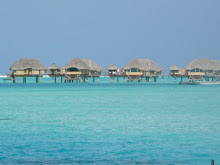


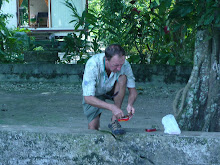
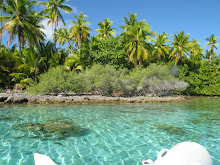
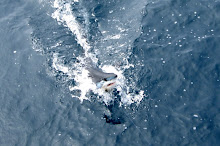


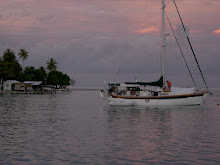
.JPG)